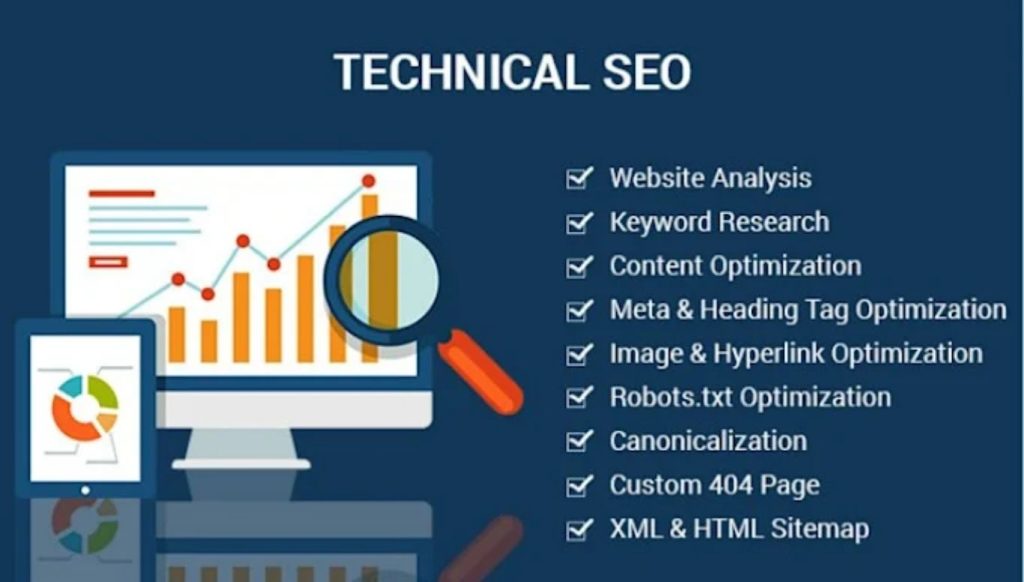
Technical SEO services focus on the backend health of your website, things like crawlability, site speed, mobile usability, indexing, and structured data. Without a solid technical foundation, even the best content can fail to rank because search engines simply cannot access or understand your pages properly.
Why Technical SEO Services Come First
Every business owner wants to jump straight to writing content, but I always tell my clients the same thing: content on a broken site is like renovating the inside of a house with a cracked foundation. It will not hold up.
This guide is part of my broader B2B SEO Services framework, and I recommend reading that first if you have not already, since technical SEO is one piece of a larger growth strategy.
What a Technical SEO Audit Actually Covers
Crawlability and Indexing
Search engine bots need a clear path through your site. A proper audit checks your robots.txt file, XML sitemap, and internal linking structure to make sure important pages are not accidentally blocked or buried too deep in the site architecture.
Site Speed
Page speed affects both rankings and conversions. Slow-loading pages frustrate visitors and search engines equally. Common fixes include image compression, browser caching, and reducing unnecessary scripts.
Mobile Usability
Most search traffic today comes from mobile devices. Google primarily uses the mobile version of your site for indexing, so a poor mobile experience directly damages rankings across the board.
URL Structure
Clean, descriptive URLs help both users and search engines understand page content at a glance. A URL like yoursite.com/product-category is far more effective than a string of random characters or parameters.
Structured Data (Schema Markup)
Schema helps search engines understand context, like whether a page is a product, an article, or a service. This can also unlock rich results in search, such as star ratings or FAQ dropdowns.
Duplicate Content and Canonicalization
Duplicate or near-duplicate pages confuse search engines about which version to rank. Canonical tags tell search engines which page is the primary version, preventing internal competition.
Core Web Vitals
These are Google’s specific measurements for loading performance, interactivity, and visual stability. Sites that score poorly on Core Web Vitals often see a ranking disadvantage compared to faster, more stable competitors.
Technical SEO Checklist
| Area | What to Check | Common Fix |
| Crawlability | robots.txt, sitemap.xml | Remove accidental blocks, submit sitemap |
| Speed | Page load time | Compress images, enable caching |
| Mobile | Responsive design | Fix layout and tap-target issues |
| Indexing | Search Console coverage report | Resolve crawl errors, fix noindex tags |
| Duplicate content | Similar pages competing | Add canonical tags |
| Structured data | Schema validator tools | Add or fix markup |
| Broken links | 404 errors | Redirect or remove |
Technical SEO and E-commerce Sites
Technical SEO becomes even more critical for online stores because of complex URL structures, filtered category pages, and large product catalogs that can easily create duplicate content issues. If you run an online store, my E-commerce SEO Services guide goes deeper into these store-specific technical challenges.
How Often Should a Technical SEO Audit Happen
I recommend a full audit at least twice a year, with monthly monitoring in between for crawl errors and speed drops. Sites that go through frequent changes, like adding new products or restructuring navigation, need more frequent checks.
Conclusion
Technical SEO sets the ceiling for everything else you do. Great content and strong link building cannot fix a site that search engines struggle to crawl, load, or understand. Run a proper audit, fix the foundational issues first, and revisit it regularly so small problems never turn into ranking losses.
Frequently Asked Questions
What is technical SEO?
Technical SEO refers to optimizing the backend structure of a website so search engines can crawl, index, and rank it properly, covering areas like site speed, mobile usability, and crawlability.
How do I know if my site has technical SEO issues?
Google Search Console is the fastest way to spot problems, showing crawl errors, indexing issues, and mobile usability warnings directly.
Does technical SEO affect rankings?
Yes, significantly. A technically weak site can prevent even well-written content from ranking, since search engines may struggle to crawl or properly index the pages.
What is the difference between technical SEO and on-page SEO?
Technical SEO covers the backend and infrastructure of a site, while on-page SEO focuses on individual page elements like content, headings, and keyword usage.
How long does a technical SEO audit take?
A thorough audit typically takes one to two weeks depending on site size, followed by an implementation period to fix identified issues.
Can I do technical SEO myself?
Basic fixes are possible with tools like Google Search Console, but complex issues like Core Web Vitals or schema implementation usually need technical expertise.
What tools are used for technical SEO audits?
Common tools include Google Search Console, Screaming Frog, PageSpeed Insights, and schema validation tools.
Why is site speed important for SEO?
Slow sites create poor user experience and higher bounce rates, both of which negatively affect search rankings.
What is a crawl budget?
Crawl budget refers to how many pages a search engine bot will crawl on your site within a given time. Large or poorly structured sites can waste crawl budget on unimportant pages.
Does mobile-first indexing matter for all websites?
Yes, since Google predominantly uses the mobile version of a site for indexing and ranking, regardless of whether most of your traffic is desktop or mobile.
What happens if I ignore technical SEO?
Ignoring technical SEO often leads to stalled or declining rankings over time, even if content quality improves, since search engines struggle to properly access and understand the site.
How much does a technical SEO audit cost?
Costs vary based on site size and complexity, but a professional audit for a mid-sized business site typically falls in the range of a few hundred to a couple thousand dollars.