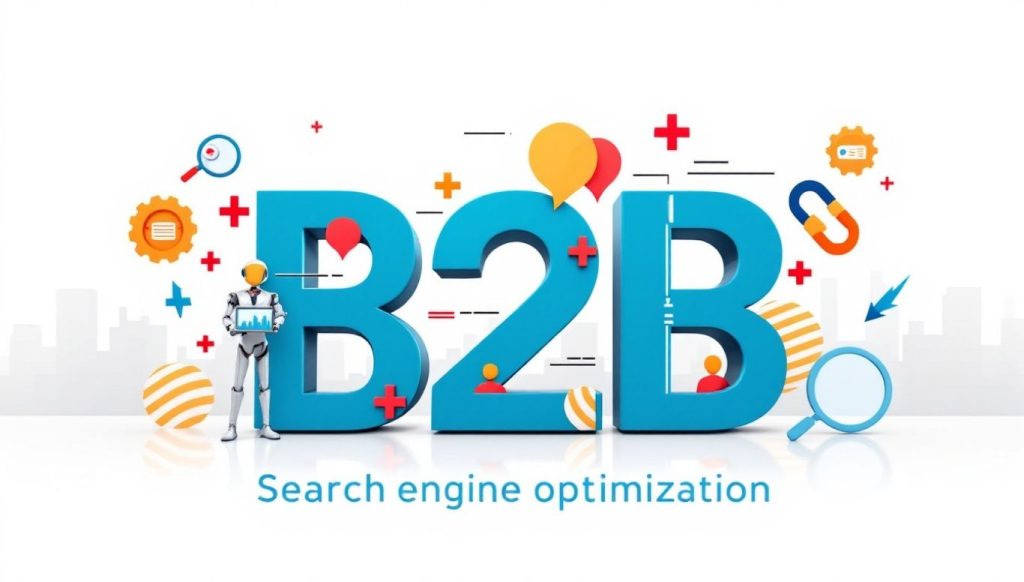
B2B SEO services help companies attract decision-makers, not just traffic. Unlike B2C SEO, B2B SEO focuses on longer sales cycles, multiple stakeholders, and high-value keywords tied to buying intent. The right strategy combines technical health, content built around real buyer questions, and authority building through links and case studies. Done properly, it turns your website into a 24/7 lead generation channel instead of a digital brochure.
Why B2B SEO Is Different From Regular SEO
I have worked with international clients across different industries, and the biggest mistake I see business owners make is treating B2B SEO like B2C SEO. They copy tactics meant for online stores and wonder why leads never show up.
B2B buyers do not make impulse decisions. A procurement manager researching a software vendor might spend weeks comparing options, reading case studies, and looping in three or four colleagues before booking a call. Your SEO strategy has to support that entire research process, not just chase quick clicks.
This is where a full-funnel approach matters. You need content for the person who just realized they have a problem, content for the person comparing vendors, and content for the person ready to request a demo.
Core Components of B2B SEO Services
1. Technical SEO Foundation
Before content or links matter, your site needs to be crawlable, fast, and mobile-friendly. Search engines cannot rank pages they cannot properly index. If your B2B site has broken internal links, slow load times, or a messy URL structure, you are losing rankings before you even publish a single blog post. I cover this in detail in my Technical SEO Services guide, which walks through exactly how to audit and fix these foundational issues.
2. Keyword Research Built Around Buyer Intent
B2B keywords fall into three buckets:
- Awareness keywords: “what is supply chain automation”
- Consideration keywords: “best supply chain software for manufacturers”
- Decision keywords: “supply chain software pricing” or “[competitor] alternative”
A strong B2B SEO agency maps content to each stage rather than only chasing high-volume terms that never convert.
3. Content That Builds Trust
B2B buyers want proof, not fluff. Case studies, original data, and detailed guides perform far better than generic blog posts. When I work with clients, I always push for content that shows real expertise, because Google’s ranking systems increasingly reward pages that demonstrate genuine experience and authority in a subject.
4. Link Building and Digital PR
Backlinks from industry publications, partner sites, and niche directories signal trust to search engines. For B2B brands, guest contributions on respected industry blogs often work better than generic link outreach, since the audience overlap is already there.
5. On-Page and Site Structure
Clean heading hierarchy, internal linking between related service pages, and schema markup all help search engines understand what your business actually does. This matters even more for niche B2B offerings where search engines have less context to work with.
B2B SEO for Specialized Industries
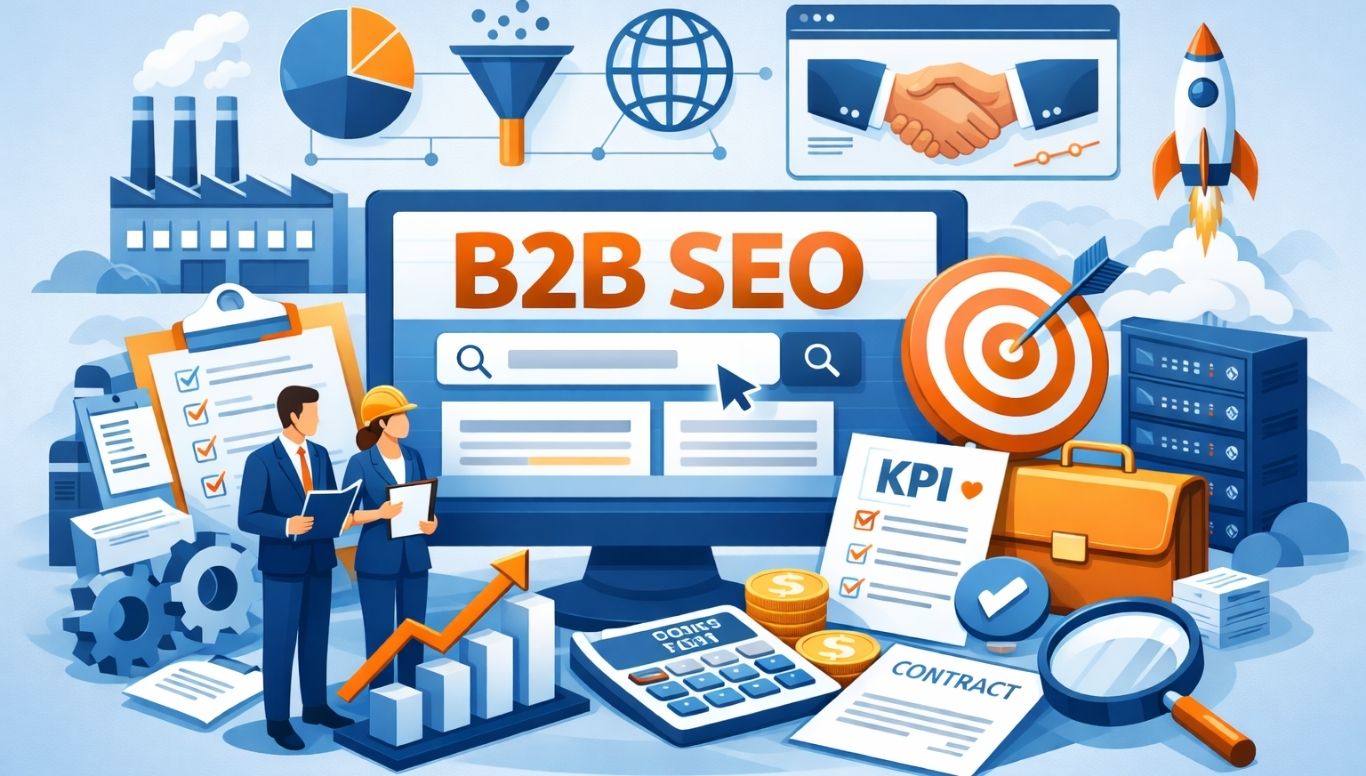
Some B2B verticals need a more tailored approach because of complex product catalogs or highly technical buyers.
If you sell products online to other businesses, your strategy overlaps heavily with online store optimization. I break this down fully in my E-commerce SEO Services guide, covering everything from product page structure to bulk order search intent.
And if your B2B business also sells physical products through marketplaces, ranking on the marketplace itself matters just as much as ranking on Google. My Amazon SEO Guide covers how to get products ranking number one on marketplace search, which is its own discipline entirely.
How to Choose a B2B SEO Agency
Not every SEO agency understands B2B sales cycles. When evaluating a partner, ask these questions:
- Do they have experience with long sales cycles and multiple decision-makers?
- Can they show real ranking results, not just traffic screenshots?
- Do they understand your industry’s terminology and compliance requirements?
- Will they build content that sales teams can actually use in outreach?
I have personally worked with international clients on this exact challenge, taking sites from page three obscurity to first-page rankings for competitive commercial terms. The difference always comes down to intent-matched content and a technically sound site.
B2B SEO Timeline: What to Expect
| Phase | Timeframe | What Happens |
| Technical audit and fixes | Month 1 | Crawl errors resolved, site speed improved, indexing cleaned up |
| Keyword mapping and content plan | Month 1-2 | Buyer-intent keywords mapped to funnel stages |
| Content production | Month 2-4 | Pillar and spoke articles published on a consistent schedule |
| Link building | Month 3-6 | Outreach and guest contributions begin showing authority gains |
| Ranking movement | Month 4-8 | Competitive terms start climbing, early leads appear |
| Compounding growth | Month 8+ | Organic traffic and qualified leads grow steadily |
B2B SEO is not a quick win. Anyone promising first-page rankings in two weeks for competitive commercial keywords is not being honest with you.
Conclusion
B2B SEO works when it is treated as a long-term investment rather than a quick campaign. A solid technical foundation, content mapped to real buyer intent, and consistent authority building are what actually move competitive commercial keywords over time. Start with the technical basics, build content around how your buyers actually search, and let the results compound month over month.
Frequently Asked Questions
What is B2B SEO?
B2B SEO is the process of optimizing a business website to rank for search terms used by other businesses researching products or services, with content built around longer sales cycles and multiple decision-makers.
How is B2B SEO different from B2C SEO?
B2B SEO targets smaller, more specific audiences with higher-value keywords and longer research periods, while B2C SEO often targets larger volumes of consumers with shorter purchase decisions.
How long does B2B SEO take to show results?
Most B2B websites start seeing meaningful ranking movement between four and eight months, depending on competition and the starting condition of the site.
Do I need technical SEO for a B2B site?
Yes. A technically sound site is the foundation everything else builds on. Without it, even great content struggles to rank.
What keywords should a B2B company target first?
Start with decision-stage keywords tied to your core service, then build out awareness and consideration content to support the funnel.
Is content marketing part of B2B SEO?
Yes, content marketing and SEO work together. SEO ensures the right people find your content, while the content itself builds trust and moves buyers toward a decision.
How much does B2B SEO cost?
Costs vary widely based on competition and scope, but most serious B2B SEO engagements start in the range of a few thousand dollars per month for ongoing strategy, content, and link building.
Can small B2B companies compete with larger ones in search results?
Yes, especially by targeting specific, lower-competition keywords tied to a niche service or industry rather than broad terms dominated by large competitors.
Does B2B SEO work for niche industries?
It often works even better, since niche industries usually have less search competition and more room to build topical authority quickly.
Should B2B companies focus on local SEO too?
If the business serves a specific region or offers in-person services, yes. Otherwise, national or industry-wide targeting usually makes more sense.
What role do case studies play in B2B SEO?
Case studies build trust and demonstrate real results, which helps both with rankings and with converting visitors into leads.
How often should a B2B company publish new content?
Consistency matters more than volume. One well-researched article per week tends to outperform sporadic bursts of content.
Can B2B SEO help with lead generation directly?
Yes, when content is mapped correctly to buyer intent, organic traffic converts into demo requests, contact form submissions, and qualified leads over time.