Small agencies can run a credible site audit using Google Search Console (client-verified), Screaming Frog’s free crawl limit, Ahrefs Webmaster Tools, and free domain and backlink checkers. The gap versus paid platforms is depth, not accuracy. For most small client sites, that gap doesn’t matter.
The Budget Problem Nobody Talks About Openly
Every agency starter guide assumes you already have a Semrush or Ahrefs subscription. Small agencies and freelancers taking on their first few clients usually don’t, and paying $200+ a month before landing enough clients to justify it is a real barrier, not a minor inconvenience.
The good news is that a genuinely thorough first-pass audit doesn’t require a paid subscription. It requires knowing which free tools cover which part of the audit and being upfront with clients about where the free version’s limits are.
Step One: Get Access, Not Just a Login
Before running any tool, ask the client to add you as a user in Google Search Console and Google Analytics, rather than sharing a shared login.
This isn’t just a cleaner practice; it also unlocks Ahrefs Webmaster Tools, since that free tier requires verified site ownership. Skipping this step means starting the whole audit blind.
Step Two: The Technical Crawl
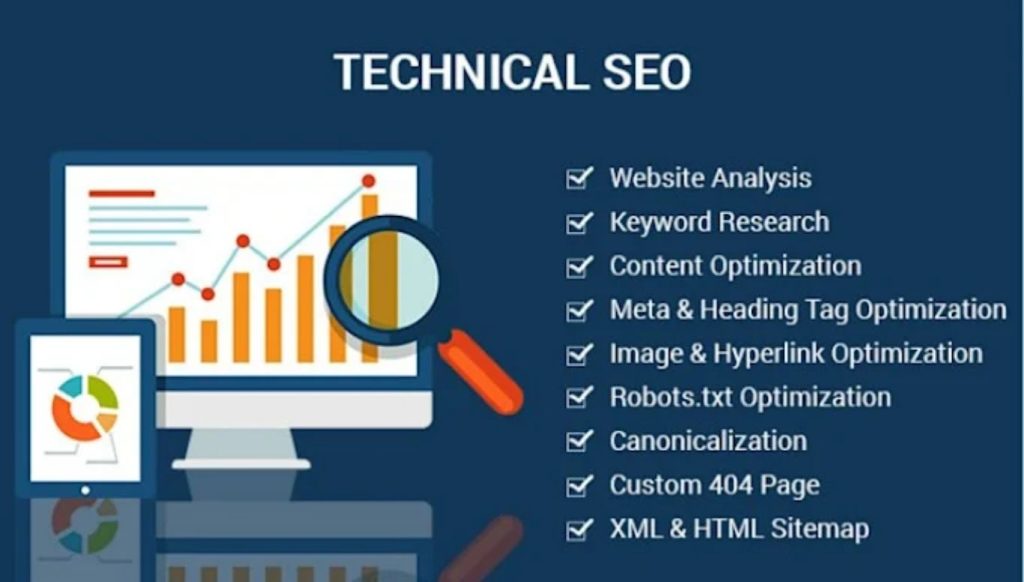
Screaming Frog’s free version crawls up to 500 URLs, which covers the vast majority of small business client sites. Run it and pull out:
- Broken internal and external links
- Missing or duplicate title tags and meta descriptions
- Redirect chains, especially old 302s that should be 301s
- Pages with thin or duplicate content
- Missing alt text across the site
For a site under 500 pages, this crawl alone catches most of the technical issues a paid crawler like Screaming Frog’s paid tier or Sitebulb would find. The paid versions add scheduling and larger crawl limits, which matter for enterprise sites, not typical small business clients.
Step Three: Backlink and Domain Trust Signals
This is usually where agencies feel the free-tool gap hardest, since backlink databases are expensive to maintain and paid tools genuinely have more comprehensive indexes. Still, there’s a workable free path:
Ahrefs Webmaster Tools gives verified site owners a real, if limited, look at their backlink profile. Pair that with a domain history check through a tool like domainagechecker.co.uk to understand whether the domain has a clean, consistent registration history or shows signs of previous ownership changes that might explain unusual backlink patterns or lingering SEO baggage from before the client took over.
This combination won’t match a full Ahrefs or Semrush backlink index, but for a first client audit, it’s usually enough to flag whether backlinks are a genuine concern worth a deeper (potentially paid) investigation or a non-issue.
Step Four: Search Visibility and Performance
Search Console, now that you have verified access, shows exactly which queries bring in traffic, the average position for each, and click-through rates. This is the single most valuable free data source in the entire audit, because it’s first-party data straight from Google, not an estimate.
Look specifically for:
- Queries with deep impressions but low click-through rate, which often means a weak title or meta description
- Pages ranking on page two that could move up with modest content improvements
- Sudden drops in specific pages, which often point to a technical or content issue worth investigating
Step Five: On-Page Content Review
This part is manual, and that’s fine; it’s often more accurate than an automated tool anyway. Go through the client’s top 10-20 pages by traffic and check:
- Does the page clearly answer the query it’s ranking for
- Is the content noticeably thinner or more dated than competing pages
- Are headings structured logically, not just stuffed with keywords
- Does the page load reasonably fast on mobile
Google’s PageSpeed Insights is free and gives a solid read on mobile performance without needing a paid monitoring tool.
Being Honest With Clients About the Gap
Here’s the part that matters for actually keeping a client relationship intact: be upfront that a free-tool audit has real limits, mainly in backlink depth and competitive keyword gap analysis.
Paid tools like Semrush and Ahrefs maintain far larger indexes built from years of crawling, which a free tier simply can’t replicate.
Framing it honestly builds more trust than pretending the free audit is equivalent. Something like, “This audit covers your technical health, on-page performance, and search visibility thoroughly.
For deeper competitor keyword gap analysis, that’s where a paid tool would add value, and we can revisit that as your budget allows.” Clients respect that far more than a vague, overconfident audit that quietly skips its blind spots.
A Real Example From a First Client Engagement
A two-person agency took on a regional real estate client with a site that had changed hands twice before the current owner bought it. Nobody had checked the domain’s background.
A free domain history check through domainagechecker.co.uk revealed the site had previously operated under a different niche entirely, explaining a strange cluster of irrelevant backlinks Ahrefs Webmaster Tools had flagged.
That single discovery reframed the whole audit. Instead of recommending a generic content refresh, the agency prioritized a disavow review and repositioned the first month of work around cleaning up legacy signals, all identified without spending a cent on paid tools.
Where Free Tools Genuinely Fall Short
Worth being direct about this rather than overselling the free-tool approach. Competitive gap analysis, meaning seeing exactly which keywords a competitor ranks for that a client doesn’t, is where free tools struggle most.
Historical ranking trend data over the years is another gap. And large sites well beyond 500 pages will hit Screaming Frog’s free crawl limit fast.
For agencies planning to take on five or more ongoing clients, a paid tool subscription usually pays for itself within a few months through the time it saves. The free-tool approach is best framed as how to start credibly, not necessarily how to operate forever.
Frequently Asked Questions
Can a free-tool audit really be considered professional quality?
Yes, for technical health, on-page review, and search visibility, free tools cover this thoroughly. The main gap is backlink and competitor depth.
What’s the biggest limitation of Screaming Frog’s free version?
It crawls at 500 URLs, which is fine for small business sites but insufficient for larger enterprise sites.
Do I need client permission to use Ahrefs Webmaster Tools? Y
Yes, it requires verified site ownership, so you’ll need the client to add you as a verified user in Search Console first.
How do I check a client’s domain history for free?
Tools like domainagechecker.co.uk let you check domain age and registration history without any cost.
Is Google PageSpeed Insights reliable for client audits?
Yes, it’s Google’s own tool and gives accurate real-world and lab performance data for both mobile and desktop.
Should I tell clients I’m using free tools instead of paid ones?
Being transparent about your methodology and its limits builds more trust than presenting a free audit as equivalent to a paid one.
What free tool best replaces Semrush’s backlink audit?
Ahrefs Webmaster Tools, though it’s limited to verified site owners and doesn’t match the depth of a paid subscription.
Can I run a full technical SEO audit without paying for anything?
Yes, for most small to mid-sized client sites, a combination of Search Console, Screaming Frog free, and PageSpeed Insights covers it.
How often should agencies re-audit a client site?
Quarterly is a reasonable baseline, with lighter monthly check-ins on Search Console data in between.
Is it worth upgrading to paid tools once I have multiple clients?
Usually, yes, once you’re managing several ongoing clients, the time saved by paid tools tends to outweigh the subscription cost.
What does a domain history check actually reveal?
It can show registration age, ownership changes, and sometimes past use, which helps explain unusual backlink patterns or trust issues.
Can free tools catch duplicate content issues across a client site?
Yes, Screaming Frog’s free crawl flags duplicate titles, meta descriptions, and near-identical page content within its crawl limit.