A product roadmap tells everyone on your team what you are building, why you are building it, and when it will ship. Without one, engineering guesses at priorities, sales overpromises features, and stakeholders lose trust in your timelines.
This guide explains what a product roadmap is, what it should include, and how to build one from scratch. You will also see a sample product roadmap you can adapt for your own team.
What Is a Product Roadmap?
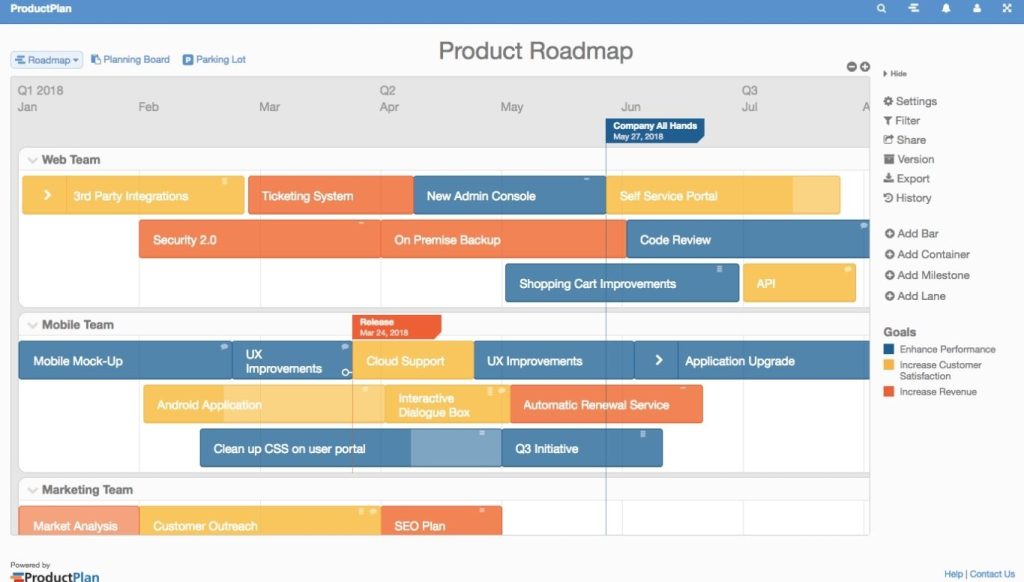
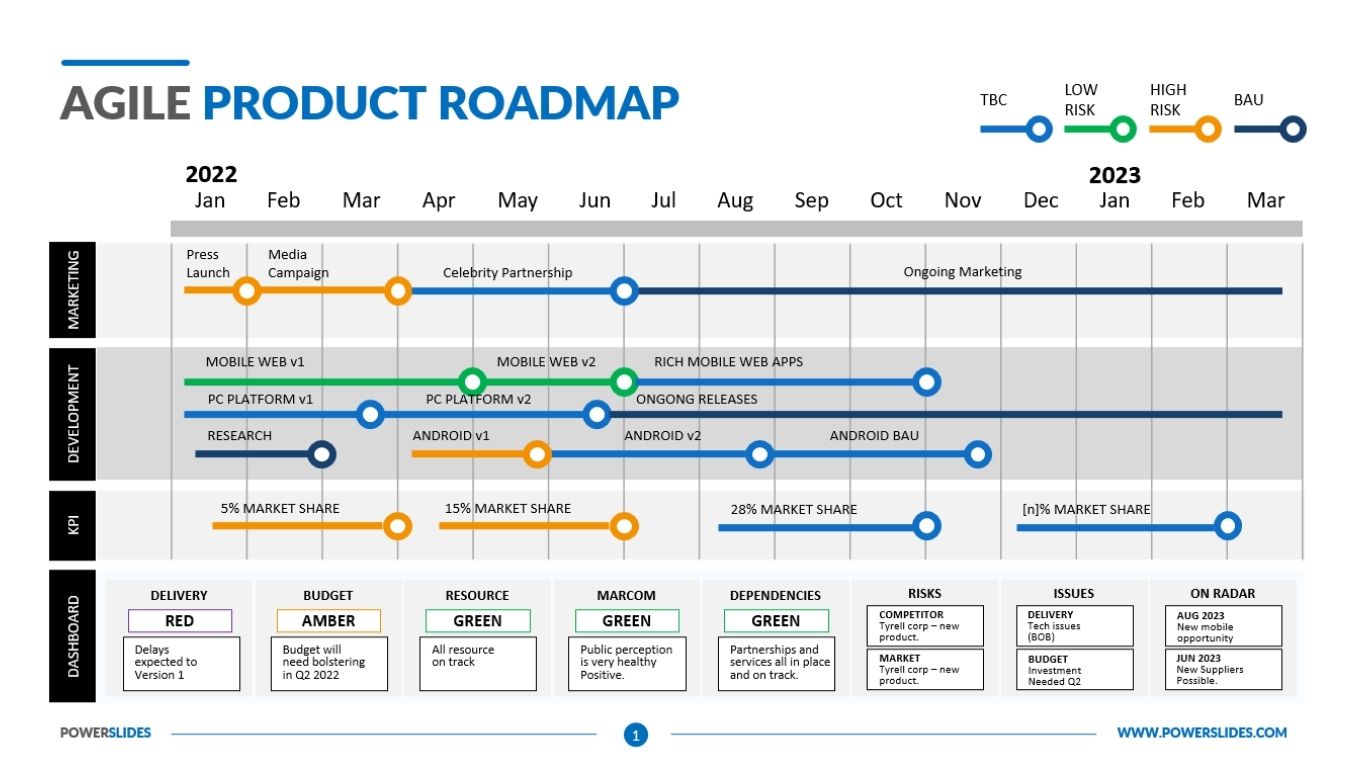
A product roadmap is a visual plan that shows the direction of your product over time. It lays out the features, improvements, and releases your team plans to deliver, and it connects each item to a business goal.
A roadmap does not replace a backlog. A backlog holds every idea and task your team might work on. A roadmap filters that backlog down to what matters most right now and organizes it into a timeline stakeholders can actually follow.
I lead the tools team at Domain Age Checker, and I build a product roadmap before we touch a single feature request. Every new tool we ship, from bulk WHOIS lookups to our on-page SEO analyzer, starts as a line on that roadmap tied to a specific user problem. That process keeps engineering time focused on features people actually use instead of features that sound good in a meeting.
Why Teams Need a Product Roadmap
A product roadmap solves problems that show up the moment a team grows past one or two people.
- It aligns stakeholders. Sales, marketing, support, and leadership all see the same plan, so nobody promises a feature that isn’t scheduled.
- It forces prioritization. You cannot build everything. A roadmap makes you rank ideas against goals instead of building whatever request came in last.
- It reduces scope creep. When a new request arrives mid-sprint, you check it against the roadmap instead of reacting on impulse.
- It communicates progress. Stakeholders can see what shipped, what’s in progress, and what’s next without pinging engineering for updates.
- It connects features to outcomes. Each roadmap item ties to a metric, such as activation rate, churn reduction, or revenue growth, so you can measure whether the work paid off.
Types of Product Roadmaps
Not every roadmap looks the same. Pick the format that matches your audience.
Timeline roadmap. Organizes work by quarter or month. Useful for leadership reviews and external stakeholders who want dates.
Theme-based roadmap. Groups work by outcome, such as “improve onboarding” or “reduce support tickets,” instead of exact dates. Useful for teams working in agile sprints where dates shift often.
Now-Next-Later roadmap. Splits work into three buckets: what you’re building now, what’s next, and what’s on the horizon. Useful for startups and fast-moving teams that need flexibility over precision.
Release-based roadmap. Organizes items by version number or release cycle. Common for software with scheduled release trains, such as mobile apps.
Most teams mix these formats. A theme-based internal roadmap and a timeline-based external roadmap for customers are a common combination.
What Should a Product Roadmap Include?
A useful product roadmap covers these elements:
- Product vision: The long-term direction the roadmap supports.
- Strategic goals: The business outcomes each roadmap item should move, such as retention or expansion revenue.
- Themes or epics: Grouped initiatives rather than individual tickets.
- Timeframes: Quarters, sprints, or now-next-later buckets, depending on your format.
- Status indicators: Planned, in progress, shipped, or on hold.
- Owners: The product manager or team responsible for each item.
- Dependencies: Any item that blocks or is blocked by another team’s work.
Sample Product Roadmap
Here is a simplified sample product roadmap using the theme-based, now-next-later format. Adapt the columns and time horizons to match how your team plans work.
| Theme | Now | Next | Later |
|---|---|---|---|
| Onboarding | Simplify signup flow | Add guided product tour | Personalized onboarding by user type |
| Performance | Fix slow dashboard load times | Optimize mobile app speed | Migrate to faster backend infrastructure |
| Growth | Launch a referral program | Add team invite feature | Build a public API for integrations |
| Retention | Ship email digest for inactive users | Add usage insights dashboard | Introduce a loyalty rewards program |
Each row represents a theme tied to a business goal. Onboarding items support activation. Growth items support new user acquisition. Retention items support reducing churn. This structure lets a stakeholder scan the roadmap and understand priorities in seconds, without needing a meeting to explain it.
For a longer-range version of this same document, many teams pair their product roadmap with a broader content roadmap so marketing content lines up with each feature launch instead of publishing on a separate schedule.
How to Build a Product Roadmap: Step-by-Step
Step 1: Define Your Product Strategy
Start with the outcome you want the product to achieve over the next six to twelve months. Every roadmap item should trace back to this strategy, or it doesn’t belong on the roadmap.
Step 2: Gather and Sort Input
Collect feature requests from customer feedback, sales calls, support tickets, and internal stakeholders. Sort everything into a single backlog before you try to prioritize anything.
Step 3: Prioritize Using a Framework
Score each backlog item against criteria such as customer impact, effort required, and strategic fit. Frameworks like RICE (Reach, Impact, Confidence, Effort) or a simple value-versus-effort matrix work well for most teams.
Step 4: Choose Your Roadmap Format
Pick timeline, theme-based, now-next-later, or release-based, depending on who will view the roadmap and how often priorities shift.
Step 5: Assign Owners and Timeframes
Give each theme or initiative a clear owner and a realistic timeframe. Avoid assigning exact dates for items more than one quarter out, since priorities shift as you learn more.
Step 6: Share the Roadmap with Stakeholders
Present the roadmap to engineering, sales, marketing, and leadership separately if needed. Each audience cares about different details, so adjust the level of detail per audience rather than sending one version to everyone.
Step 7: Review and Update Regularly
Revisit the roadmap every sprint or every month. Move completed items to “shipped,” reprioritize based on new data, and remove items that no longer serve the strategy.
Common Product Roadmap Mistakes
Treating it like a fixed contract. A roadmap communicates direction and intent. Locking every date in stone sets expectations you likely can’t meet.
Listing features instead of outcomes. A roadmap item like “add dark mode” tells stakeholders nothing about why it matters. Tie every item to a goal.
Skipping stakeholder input. A roadmap built in isolation by product alone misses context that sales and support already have from talking to customers daily.
Overloading it with detail. A roadmap is not a sprint backlog. If you’re tracking individual tickets on it, you’ve built the wrong document.
Never revisiting it. Markets shift and user needs change. A roadmap set once and left untouched for a year stops reflecting reality within a few months.
Product Roadmap vs Product Backlog vs Sprint Plan
These three documents work together but serve different purposes.
- Product backlog: Every idea, bug fix, and feature request your team might ever build. Unfiltered and unprioritized.
- Product roadmap: A filtered, prioritized view of the backlog organized around strategy and timeframes.
- Sprint plan: The specific tasks your team commits to in the next one to two weeks, pulled from whatever roadmap item is currently active.
Confusing these three is one of the most common reasons roadmaps fail. A roadmap that reads like a backlog overwhelms stakeholders. A sprint plan that ignores the roadmap drifts away from strategy.
Final Thoughts
A product roadmap turns a pile of feature requests into a plan that supports real business goals. It keeps engineering, sales, and leadership aligned on what’s coming next and why it matters.
Start with your product strategy, sort your backlog, prioritize with a framework, and choose a format that fits your audience. Review it often, and let real usage data guide what moves up the list.
Frequently Asked Questions
1. What is a product roadmap in simple terms?
A product roadmap is a visual plan that shows what a team plans to build, why it matters, and roughly when it will ship, organized around business goals rather than a fixed list of dates.
2. What is the difference between a product roadmap and a project plan?
A project plan tracks the specific tasks and deadlines needed to complete one initiative. A product roadmap sits above that level and shows multiple initiatives across the entire product over a longer period.
3. How often should a product roadmap be updated?
Most teams review and update their roadmap every sprint or every month, and do a deeper strategic revision quarterly as priorities and customer feedback shift.
4. What is a sample product roadmap format?
A common sample format uses a now-next-later structure, grouping planned work into three buckets by urgency instead of exact dates, which keeps the roadmap flexible as priorities change.
5. Who owns the product roadmap?
The product manager typically owns the roadmap, though it should reflect input from engineering, sales, support, and leadership rather than being built by one person alone.
6. What tools can I use to build a product roadmap?
Spreadsheets and slide decks work for small teams and early-stage products. Larger teams often use dedicated roadmap software or project management tools that support drag-and-drop timelines and stakeholder sharing.
7. Should a product roadmap include exact release dates?
Only for items in the current or next quarter. Items further out should use broader timeframes or theme-based buckets, since exact dates set far in advance rarely hold up as priorities shift.