
Acamento: The Art of the Perfect Finishing Touch
Acamento is a term used in design and construction for the finishing stage that gives a material, product, or space its final polished character: the varnish on a table, the paint finish on a wall, the polish on a fixture. It is not a standard dictionary word; it has roots in Portuguese usage meaning “finish” or “completion”.
What Is Acamento? A Clear Definition
Every well-made thing has a moment when the building stops and the refining begins. The raw material is cut, the structure is assembled, the main work is done. Then comes the stage that decides how the final piece actually feels to the eyes and hands. Acamento is the word that design and construction writers increasingly use for this stage: the finishing, the final treatment, the careful last layer of attention that transforms something functional into something complete.
Used broadly, the term covers the surface treatments applied after the main manufacturing or construction work. Polishing, coating, painting, sealing, and varnishing all fall under this umbrella. Whether the object is a wooden dining table, a metal door handle, a stone countertop, or an entire room, the finishing step is what defines its final look, its texture, and how it will age over time.
A word of honest framing helps here. Acamento is not a word you will find in most English dictionaries, and it does not appear in mainstream craft manuals in the way that “varnish” or “lacquer” does. It is best understood as a term used in design writing and discussion, with roots in Portuguese usage connected to the idea of finishing or completion. Treat it as a useful label for a real and important concept, rather than as a formal technical term with one strict definition.
What does acamento mean?
Acamento refers to the finishing stage of a material, product, or space. It is a design term, with roots in Portuguese usage, for the final treatments such as polishing, coating, painting, or sealing that give a creation its finished look and feel.
Why Finishing Touches Matter More Than People Think
It is tempting to treat the finish as decoration, an optional extra layered onto the “real” work. In practice, the finish does three jobs at once, and each of them matters.
1. The finish shapes first impressions
People judge quality largely by surface. A glossy varnish makes wood glow. A soft matte coating gives metal a quiet, expensive feel. The sheen on a painted wall changes how the entire room reads. Before anyone examines the construction underneath, the finish has already told them whether the work is careful or careless.
2. The finish protects the material
A good finish is a layer of armor. Sealants block moisture. Coatings resist scratches and UV damage. Paint shields plaster and drywall from wear. Without this protection, even beautifully built work deteriorates quickly. The finishing stage is what lets quality construction survive daily use for years.
3. The finish changes the experience of use
Touch is a constant, quiet judge. Smooth edges, polished textures, and scratch-resistant surfaces make products easier to clean, more comfortable to handle, and more pleasant to live with. This sensory quality is a large part of what the acamento concept captures: not just how something looks, but how it feels in the hand.
Why is the finishing stage so important in design?
The finishing stage defines appearance, durability, and tactile experience all at once. A finish sets the visual tone, protects the material underneath from wear and damage, and determines how the object feels to touch and use every day.
Types of Acamento Finishes by Material
Different materials ask for different finishing approaches. Below are the most common families of finishes, each one a practical expression of the acamento idea.
Wood finishing: varnish, polish, oil, and wax
Wood is the classic showcase for finishing craft. Varnish builds a hard, glossy protective film. French polish, a traditional shellac technique, gives furniture a deep, mirrorlike glow. Oils such as linseed or tung oil soak into the grain and leave a natural matte surface that can be renewed easily. Wax adds warmth and a soft sheen over other finishes. The choice between them is a choice between high gloss drama and quiet natural character.
Metal finishing: coating, brushing, and polishing
Metal finishes range from mirror-polished chrome to brushed nickel to powder-coated color. Polishing removes microscopic scratches until the surface reflects cleanly. Brushing creates fine directional lines that hide fingerprints and soften glare. Powder coating and electroplating add color and corrosion resistance. Each finish changes both the mood of the metal and its resistance to the environment.
Stone and masonry finishing: honing, polishing, and sealing
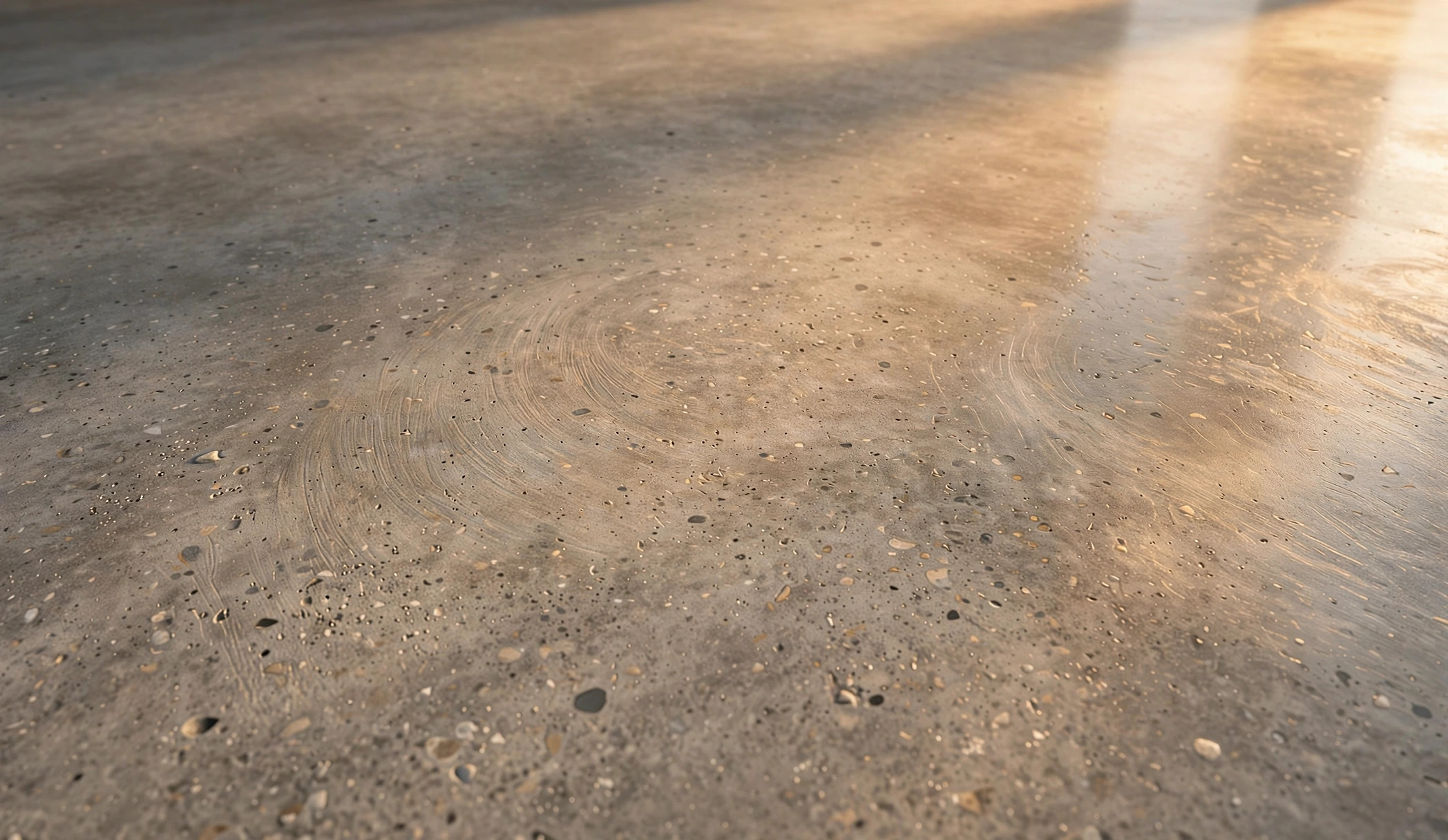
Stone can be polished to a glossy shine, honed to a smooth matte surface, or left with a textured finish that grips underfoot. Sealers are almost always part of the package, since stone is porous and stains easily. The difference between a honed and a polished marble countertop is the difference between calm and formal, and the finishing decision shapes the entire kitchen or bathroom.
Paint finishes: matte, satin, eggshell, and gloss
Paint sheen is one of the most accessible forms of acamento. Matte paint hides wall imperfections and gives a soft, modern look. Eggshell and satin add a gentle glow and wipe clean more easily. Semi-gloss and gloss highlight trim, doors, and cabinetry with a crisp, reflective edge. Choosing the right sheen is as important as choosing the right color.
Protective coatings and sealants
Sealants, lacquers, and clear topcoats are the invisible half of finishing. They do not change the color or design, but they lock the surface against moisture, sunlight, abrasion, and chemicals. On floors, decks, countertops, and exterior surfaces, the protective finish is what makes the visible finish last.
Acamento in Interior Design
In interior design, acamento describes everything that appears once the structural and functional work is in place. Walls are up, floors are laid, and now the designer decides how every surface will be treated and dressed.
Paint finishes set the mood of each room. Decorative trims, moldings, and skirting boards add architectural rhythm. Surface materials like tiles, wallpaper, wood panels, and textured plaster give walls depth and character. Fixtures complete the picture: lighting, door handles, faucets, and cabinetry hardware are the jewelry of a room, and their finishes need to agree with everything around them.
The skill of interior finishing is mostly about consistency. A brass faucet looks wrong next to chrome cabinet pulls. A high-gloss feature wall can fight with a matte floor. Good designers think of finishes as a palette, choosing a small family of sheens and tones and carrying them through the space so the whole room feels intentional.
How is acamento used in interior design?
In interior design, acamento covers all the finishing layers: paint finishes, trims and moldings, surface materials, and fixture finishes. These final touches, chosen as a coordinated palette of sheens and tones, are what make a room feel finished rather than merely built.

Acamento in Construction
On a building site, acamento is the final phase of work, the stage after the structure, wiring, and plumbing are complete. Painters, tilers, carpenters, and polishers move through the building applying the treatments that the future occupants will actually see and touch.
This phase includes interior and exterior painting, tiling and grouting, flooring installation and sealing, installation of trims and moldings, and final polishing of fixtures and fittings. Exteriors get their own finishing vocabulary: stone cladding, stucco, weather-resistant paints, and waterproofing treatments that protect the building while defining its street presence.
Construction professionals know that this phase carries outsized weight in client satisfaction. The framing can be perfect, but if the paint is streaked, the grout lines are uneven, or the floor finish is cloudy, the whole project looks unfinished. This is why experienced contractors schedule finishing work with generous time and protect finished surfaces fiercely as other trades complete their tasks.
Acamento in Furniture and Craftsmanship
Furniture making may be where the philosophy of finishing is most visible. Two tables can be built from the same timber to the same design, and the one with the better finish will look and feel like the more expensive piece every time.
Craftspeople speak of finishing as a sequence: sanding through progressively finer grits, raising the grain and sanding it back, applying stain or oil, building protective coats, and finally rubbing the surface to the desired sheen. Each step removes the marks of the previous one. Rushing the sequence, or skipping the final rub, leaves a surface that looks fine in the workshop and disappointing in daylight.
The same principle applies to smaller crafts: leatherwork, ceramics, jewelry, and metalwork all have their own finishing rituals. In each case, the final treatment is what separates a functional object from a desirable one. This is the heart of the acamento idea, whatever material the maker works in.
Is acamento the same thing as polishing?
No, polishing is only one part of acamento. Acamento is the broader concept of finishing, covering polishing plus coating, painting, sealing, varnishing, and texturing. Polishing is one technique; acamento is the whole final stage.
The Philosophy Behind the Term
What makes acamento interesting as a word is that it points to an attitude, not just a process. It suggests that the final details deserve the same care as the main work, and that completion means more than stopping: it means refining.
This philosophy shows up in quality traditions everywhere. Japanese woodworkers speak of the care in the final planing strokes. Italian furniture makers are famous for the depth of their lacquers. In each case, the culture of the craft holds that the last ten percent of the work delivers a large share of the perceived quality.
For anyone commissioning design or construction work, this is a practical insight: ask how the finishing will be done. Ask what coatings will be used, how many coats, what sheen. The answers tell you more about the final result than the brand of the materials ever will.
Modern Trends in Finishing
Finishing techniques keep evolving. Low-VOC and water-based finishes have become standard where solvent-based products once ruled, driven by health and environmental concerns. Matte and ultra-matte surfaces are fashionable in interiors, from cabinetry to wall paint. On the industrial side, nano-coatings and smart finishes add functions like fingerprint resistance and self-cleaning to the traditional job of looking good.
Sustainability is reshaping choices too. Natural oils, waxes, and plant-based sealants appeal to buyers who want fewer synthetic chemicals in their homes. At the same time, harder-wearing commercial coatings mean finishes last longer and need replacing less often, which is its own kind of sustainability.
One trend worth watching is the move toward finishes that age gracefully. Instead of coatings that look perfect for a year and then fail, designers are choosing treatments that wear in rather than wear out: oiled wood that can be refreshed, patinated metals, limewash that develops character. The finish is planned as a living surface, not a frozen one.
Common Finishing Mistakes to Avoid
Most finishing failures come from impatience rather than lack of skill. The classic mistakes are worth listing because they are so easy to avoid.
Rushing surface preparation is the biggest one. Finish applied over dust, grease, or rough sanding will fail or look cloudy. Skipping primer on porous surfaces leads to uneven absorption and blotchy color. Applying coats too thickly causes drips, bubbles, and slow curing. Ignoring cure times before using the surface results in fingerprints and dents that are permanent.
Mismatching products is another common error: oil-based over water-based without the right primer, or a finish that is not rated for the use it will get. When in doubt, follow the manufacturer’s system rather than mixing brands.
If you run any kind of content or business site, the finishing mindset applies beyond materials. Just as a craftsman checks the final surface before delivery, a site owner should run a seo score check on key pages to confirm the final details, titles, and structure are in place before judging performance. The same attention that goes into a polished surface goes into a polished page: nothing important left rough.
What is the most common finishing mistake?
The most common mistake is rushing surface preparation. Dust, grease, and rough sanding left under a finish will show through or cause it to fail. Proper cleaning, sanding, and priming take time, but they decide the final result more than the topcoat brand.
How to Think About Finishing for Your Own Projects
You do not need professional training to apply the acamento mindset. Start by choosing finishes for the conditions they will face: moisture, sunlight, foot traffic, or frequent handling. Sample sheens on a board before committing to a whole room or piece. Read the product instructions fully, including drying and cure times, and schedule the work so nothing gets rushed.
For larger projects, get the finishing specification in writing before work begins: products, number of coats, sheen levels, and who protects finished surfaces afterward. This single document prevents most disputes about what “finished” means. Small foundational choices have outsized effects on the outcome, a principle familiar to anyone who has read about does domain age affect seo: what you build on shapes what you end with.
And remember the finishing test that never lies: look at the surface in raking daylight, not just under workshop lights. Daylight shows every flaw the finish was supposed to hide, which is exactly why the best finishers check their work in it. Websites have their own raking-light test: before trusting an unfamiliar site, check domain age to see how long it has actually been around.
Frequently Asked Questions
What is acamento in simple terms?
Acamento is the finishing stage of a design or construction project. It covers the final treatments, such as polishing, painting, coating, or sealing, that give a material or space its finished look and feel.
Is acamento an English word?
No, it is not a standard English dictionary word. It is a term used in design and construction writing with roots in Portuguese usage, where it is linked to the concept of finishing or completion.
What is the difference between acamento and finish?
There is little practical difference; acamento is essentially a design term for the same idea. “Finish” is the everyday English word, while acamento frames finishing as a philosophy of careful final detail.
Which materials can receive an acamento treatment?
Almost any solid material: wood, metal, stone, plastic, glass, plaster, and fabric. Each material has its own finishing techniques, from varnishing wood to anodizing metal to sealing stone.
What are the main types of wood finish?
Varnish, lacquer, shellac or French polish, oil, and wax. Varnish and lacquer build protective films, shellac gives a deep traditional glow, oils soak in for a natural look, and wax adds soft warmth.
Matte or gloss: which finish should I choose?
Matte hides imperfections and looks modern; gloss highlights detail and cleans easily. High-traffic trims and cabinetry often suit satin or semi-gloss, while walls in calm spaces often suit matte or eggshell.
How does acamento affect durability?
A proper finish protects against moisture, scratches, UV damage, and stains. This protective layer is a major reason the finishing stage matters: it extends the working life of the material underneath.
Can I apply finishing treatments myself?
Yes, for small projects, with patience and preparation. Clean and sand the surface well, follow the product instructions, apply thin coats, and respect drying times. Large or structural finishes are better left to professionals.
How long does a finish take to cure?
Drying and curing are different: paint may feel dry in hours but cure over days or weeks. Heavy-use finishes like floor varnish need their full cure time before furniture or foot traffic returns, so check the product label.
What is the cheapest way to improve a room’s finish?
A fresh coat of paint in the right sheen, plus updated fixture finishes. Repainting walls and swapping dated handles, faucets, or light fittings for coordinated modern finishes transforms a room at modest cost.
Does acamento apply to digital design?
The concept translates well: final polish, consistent styling, and careful detailing. Designers sometimes use the spirit of the term for the refinement pass on interfaces and visuals, though it is not standard industry vocabulary there either. Writers apply the same idea to the final draft pass, including a duplicate content check to make sure the finished piece is original.
How do I hire someone for finishing work?
Ask for a written finishing specification and examples of past work. Confirm the products, number of coats, sheen levels, and schedule, and check finished surfaces in daylight before signing off.
What does “check seo ranking” have to do with finishing?
Only as an analogy: finishing a website well means verifying the result, just like finishing a surface. A craftsman inspects the final coat in daylight; a site owner can check seo ranking and page details to confirm the finished work is performing as intended.
Conclusion
Acamento, as a term, simply names something craftspeople have always known: the last stage of the work is where quality becomes visible. Whether it is the varnish on a handmade table, the paint finish on a freshly plastered wall, or the polish on a metal fitting, the finishing touch is what turns effort into excellence. Keep the meaning honest, it is a design term with Portuguese roots rather than a formal technical standard, and use it as a reminder to give final details their due.
If the idea interests you beyond this introduction, the broader craft of surface finishing is a good next read, covering the science and history of how materials have been finished across industries. And whenever you apply the same finishing mindset to your own projects, digital or physical, remember that the final check matters as much as the final coat.