Matarecycler: The Smart Recycling Concept Explained
Matarecycler is a term connected with technology-assisted, smarter approaches to recycling. It is not one universally defined product. The concept covers using sensors, computer vision, automation, and data to improve how recyclable materials are collected, identified, sorted, and recovered, while cutting contamination in modern waste systems.
Recycling sounds simple on paper. You toss a bottle in the right bin, a truck collects it, and it comes back as a new bottle. In practice, the system is far more complicated. Millions of containers arrive at sorting facilities mixed with food waste, plastic film, electronics, and items that were never recyclable in the first place. Contamination can make entire truckloads unusable, and manual sorting can only do so much when material moves down a conveyor belt in seconds.
That is the backdrop for the term matarecycler, which is generally associated with a smarter style of recycling: using technology to identify materials, sort them more accurately, monitor collection, and give operators and households better information. This guide explains what matarecycler means, how the concept works, and what you can do today to recycle more effectively.
On this site we usually help readers check seo ranking performance or seo score check their websites. Today we are auditing something different: the recyclable material that slips through the cracks of our waste systems, and the ideas that could help recover more of it.
What Is Matarecycler?
Matarecycler does not have one clear, universally accepted technical definition. Different websites use the term in different ways, so a careful reading matters. Some describe it as a concept or information source about recycling and sustainability. Others connect it with smart recycling technology that could involve sensors, automated sorting, artificial intelligence, computer vision, and waste data.
The safest and most defensible interpretation is this: matarecycler is a term linked to technology-assisted recycling. It represents a way of thinking about waste management where data and machines help people and facilities handle recyclables more intelligently. It should not be assumed to be one standardized machine, a certified product, or an industry-wide standard. Any specific claims about a matarecycler product, its accuracy rates, its release date, or where it has been deployed should be checked separately before being treated as established facts.
What does matarecycler mean?
Matarecycler is a term connected with smarter, technology-assisted recycling. Online descriptions link it with sensors, AI, automated sorting, smart collection, and recycling data. It has no single universally accepted definition, so it is best understood as a concept or style of approach rather than one specific product.
This hedged framing is important because invented details spread quickly online. You may encounter articles claiming specific companies, founders, or performance numbers for matarecycler. Treat those claims with caution. What we can discuss confidently is the broader idea: using modern technology to make recycling systems more accurate, more transparent, and less wasteful. When a bold claim comes from an unfamiliar site, check domain age first: brand-new domains pushing big claims deserve extra skepticism.
Why Matarecycler Is Gaining Attention
Communities generate enormous amounts of packaging, food containers, paper, metals, plastics, glass, and electronics. Collection systems built for simpler waste streams can struggle when all these materials arrive mixed together. A greasy pizza box in the paper stream, plastic bags tangled in sorting machinery, or glass broken into fine shards can reduce the quality of everything around them.
Matarecycler draws interest because its concept matches a real movement in waste management toward smarter material handling. Instead of relying only on basic collection and manual judgment, facilities can use technology to identify materials, monitor what is happening on the sorting line, and improve parts of the separation process. Better information can also help households understand what actually belongs in their local recycling program.
The core goal is not simply to collect more material. A successful recycling system must recover useful material in a condition that can actually be processed again, which is why sorting accuracy, contamination control, public education, and stable markets for recovered materials all matter. A matarecycler-style approach touches several of these areas at once.
Why is smarter recycling important?
Smarter recycling matters because contamination ruins recyclable material. When wrong items enter the stream, sorting becomes harder, processing costs rise, and good material may be discarded. Technology-assisted identification and better data can raise material quality so more of what we recycle actually gets recycled.
How the Matarecycler Concept Works
A matarecycler-style approach can be understood by following the normal journey of a recyclable object from bin to new product. The journey has three main stages: collection, sorting, and processing.
Collection
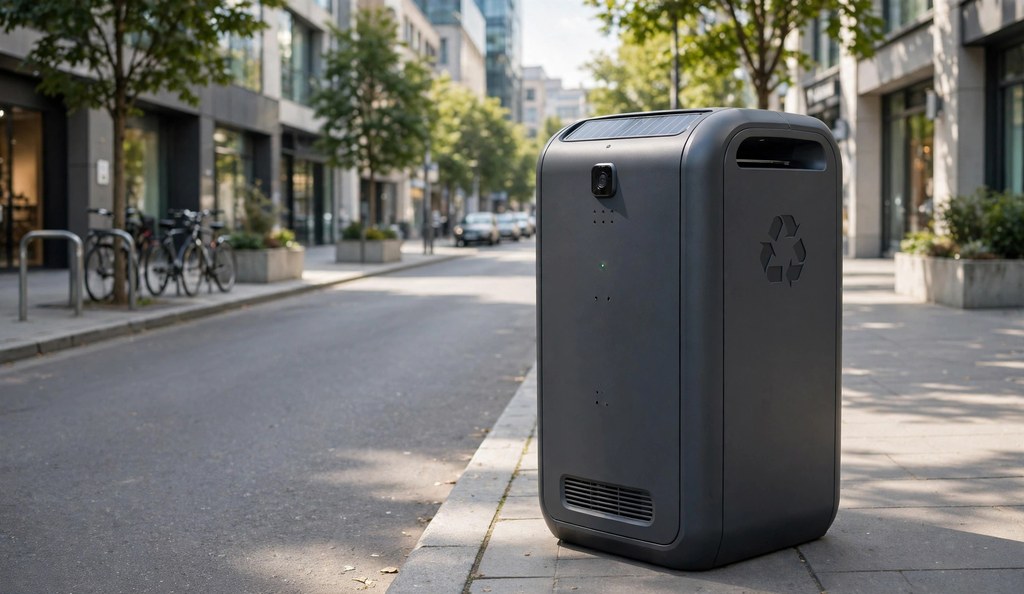
Everything begins at the bin. Households, businesses, and public spaces place recyclables in containers, and collection vehicles gather them on a schedule. In a smarter system, collection can be informed by data: fill-level sensors in bins can signal when a container is actually full, digital tracking can show which areas produce more contamination, and route planning can reduce unnecessary trips. The exact methods vary by city and provider, but the principle is that better information at this first stage prevents problems downstream.
Sorting
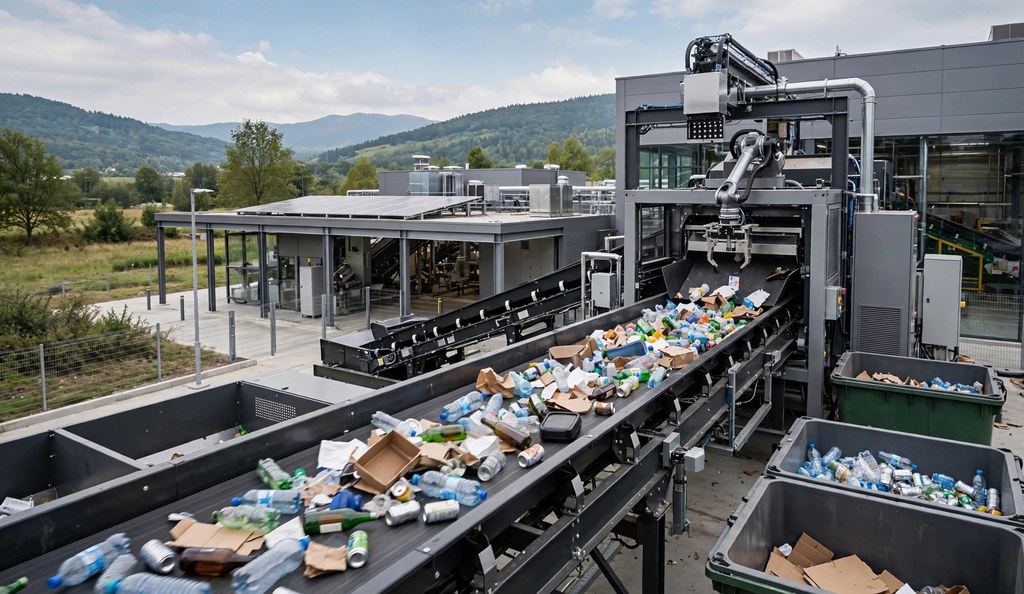
Sorting is the heart of the concept. Collected recyclables arrive mixed together, and someone or something must separate paper, cardboard, plastics, metals, and glass into clean streams. Traditional facilities rely on conveyor belts, mechanical separation by size or weight, magnets for steel, and human workers picking items by hand. A technology-assisted approach adds cameras, sensors, optical equipment, and software to help identify materials as they pass. Machines may use puffs of air to push selected items into the right chute, while people focus on quality control and unusual objects.
Processing
Once sorted, materials need preparation for their next life. Paper may be baled, plastics washed and shredded into flakes, metals melted, and glass crushed. Data collected throughout can show operators what is arriving, where contamination concentrates, and how equipment is performing. Finally, recovered material can re-enter production when markets and facilities exist to accept it. This last step is a reminder that recycling is an economic chain, not just a collection service.
How would a matarecycler-style system sort waste?
It would combine mechanical sorting with sensing technology. Cameras and sensors can help identify materials on a conveyor, magnets can recover metals, optical systems can assist with specific plastics, and automation can separate selected items, while human workers handle inspection and quality control.
Technologies Associated With the Matarecycler Approach
Several established technologies appear in descriptions of smarter recycling and in discussions of matarecycler. Understanding each one helps explain what the concept could involve in practice.
Computer Vision
Computer vision systems use cameras to capture images of objects moving along a sorting line, while software analyzes visible characteristics to help classify what is passing through. In recycling, this can mean distinguishing a PET bottle from a detergent container, spotting food-contaminated items, or identifying objects that do not belong in the stream. The technology supports faster recognition than manual inspection alone and works continuously without tiring.
Sensors
Sensors add a layer of detection beyond what cameras can see. Depending on the equipment, recycling systems may use optical, infrared, magnetic, weight, or other sensing methods. Infrared sensing, for example, can help distinguish certain plastic types that look identical to the human eye. Metal detectors can flag non-recyclable metal objects. In smart collection, fill-level sensors inside bins report how full a container is, so trucks can be dispatched based on actual need rather than a fixed schedule.
Optical Sorting
Optical sorters are among the most recognizable machines in modern recycling plants. They shine light on passing objects and measure how the material responds, then trigger air jets or mechanical diverters to separate targeted items. Facilities use them for tasks such as separating clear plastic from colored plastic or removing glass fragments from other streams. They represent a concrete example of the automation that a matarecycler concept would include.
Automation and Robotics
Repetitive sorting tasks are a natural fit for automation. Robotic arms guided by recognition systems can perform picking tasks continuously, and automated machinery can handle high-speed separation that people cannot sustain. Automation does not replace people entirely: workers still supervise equipment, handle maintenance, and make judgment calls on unusual or contaminated objects. The realistic picture is a partnership between machines and people.
Data Dashboards
All this equipment produces information, and dashboards turn that information into decisions. Facility managers can see material volumes, contamination hotspots, equipment downtime, and processing rates in one place. Cities can track waste patterns across neighborhoods. Even households may benefit when cities publish clear guidance about what is accepted locally. Data is the connective tissue of the matarecycler idea: the technology collects it, and people act on it.
The Role of Artificial Intelligence in Modern Recycling
Artificial intelligence has become an important area of development in recycling because machines need reliable ways to recognize objects in complicated, messy waste streams. Computer-vision models can examine images of items traveling along conveyor belts and help classify them according to categories learned from training data. As developers gather more examples of different packaging designs, materials, and shapes, these systems can become better at recognizing what passes in front of them.
When AI identification is connected with robotic equipment, the system can help select particular objects from a moving stream more consistently. In collection, AI-assisted route planning can reduce fuel use and emissions by serving the fullest bins first.
Still, AI does not complete the entire recycling process. Materials must be collected, transported, processed, quality checked, and sold or supplied for further use. Equipment needs maintenance and supervision, and markets must exist for recovered material. AI is best understood as one supporting technology within a larger recycling system rather than a replacement for workers, facilities, or responsible household habits.
Can AI really improve recycling?
AI can support specific recycling tasks, not the whole process. It can help cameras identify materials faster and more consistently, assist robotic sorting, and turn operational data into planning decisions. But collection, processing, markets for recovered material, and human sorting habits remain essential.
Matarecycler and Smart Waste Collection
Efficient recycling begins before waste reaches a sorting facility. Poorly organized collection can mix, damage, or contaminate recyclables, or waste fuel on unnecessary trips. Smart waste collection attempts to improve this first stage through better information and more responsive planning.
Connected containers and fill-level sensors are common examples. Instead of emptying every bin on a fixed schedule, waste managers can see which bins are actually full. Digital systems can track waste patterns across buildings, neighborhoods, and commercial areas, revealing where contamination is highest or where recycling participation is lowest. That insight can guide targeted education campaigns.
This idea fits naturally with the broader matarecycler concept because recycling efficiency depends on the complete material journey. Smart collection and automated sorting are different processes, however. Collection concerns how waste reaches a facility, while sorting concerns what happens afterward. Connecting both stages through useful data may support more coordinated waste management.
Material Sorting and Recovery
After recyclables arrive at a processing facility, they may contain many different products mixed together: cardboard, paper, food containers, metal cans, bottles, plastic packaging, and unwanted objects. The purpose of sorting is to separate useful categories so each can receive appropriate further processing.
Facilities combine several techniques. Mechanical equipment separates items by size and weight. Magnets recover steel and other magnetic metals. Optical systems and cameras assist with identifying selected materials. Human workers perform inspection and quality control, especially where machines cannot confidently handle unusual or contaminated objects.
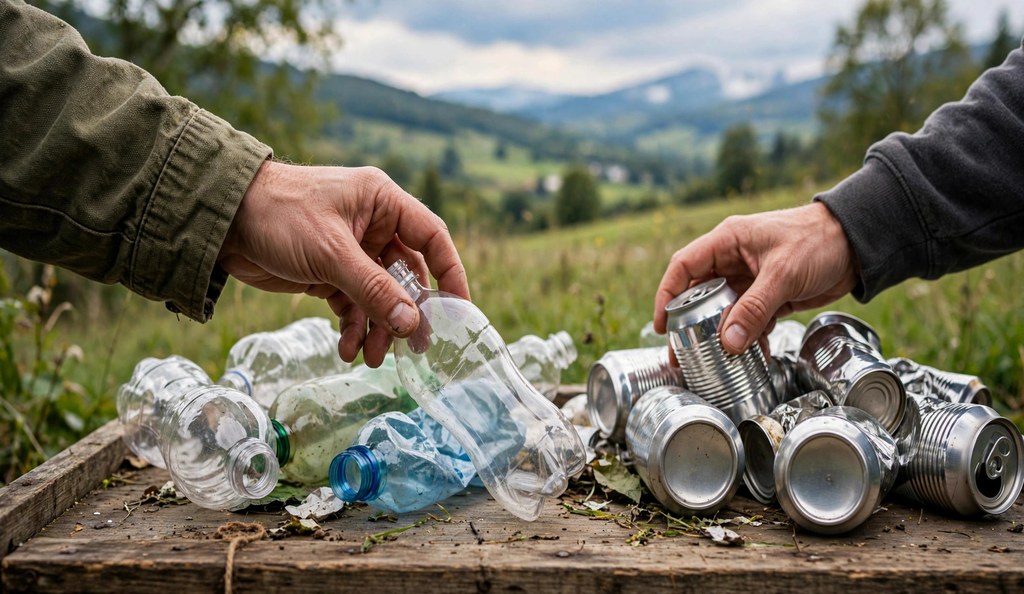
Good sorting matters because recovered materials need sufficient quality for their next use. A material being technically recyclable does not automatically mean it will be successfully recovered everywhere. Local equipment, contamination levels, collection practices, processing capacity, and market demand all influence whether a discarded product can realistically return to a production cycle. This is why recyclability on a label and actual recycling in your city are two different things, and why checking local rules matters so much.
Benefits of a Matarecycler-Style Approach
A well-designed technology-assisted recycling system can offer several useful benefits. Better identification and separation may improve the quality of recovered material by reducing the number of unsuitable objects mixed into each stream. Automation can support repetitive tasks and help facilities manage large flows of material more consistently.
Another potential advantage is better operational information. Waste data can show facility managers what materials are arriving, where problems frequently occur, and how processing conditions change over time. This can support decisions about equipment, staffing, collection programs, public guidance, and contamination reduction. Better information can be valuable even when automation is only one part of the system.
The environmental benefit comes from recovering materials that might otherwise be discarded unnecessarily. However, these advantages should not be treated as guaranteed: actual results depend on the technology used, incoming waste quality, local infrastructure, maintenance, and recycling markets.
Why Better Recycling Matters for the Environment
Better recycling can support environmental goals by keeping suitable materials in productive use for longer. When paper, metals, glass, or certain plastics are recovered and processed effectively, they can become inputs for new products instead of being lost through disposal. This supports the broader idea of using resources more carefully.
Recycling also reduces pressure on waste-disposal systems, although its environmental value varies between materials and processes. Collection, transportation, sorting, and reprocessing themselves require resources and energy. For this reason, recycling should be considered alongside reducing unnecessary consumption, choosing longer-lasting products, repairing items, and reusing products whenever practical. Technology can improve particular stages of recycling, but sustainable waste management requires more than machines. Manufacturers, consumers, governments, waste operators, recycling facilities, and businesses all influence how efficiently resources move through the economy.
Matarecycler for Households, Businesses, and Cities
Households are a critical part of any recycling system because sorting decisions often begin at home. A matarecycler-style approach could support residents through clearer recycling information and better understanding of accepted materials. This is especially useful because recycling rules vary between communities, and an item accepted in one location may not be accepted in another. Technology at the facility cannot fix a bin filled with the wrong items, so household habits remain the foundation.
Businesses can use similar principles to understand the waste they generate and organize recyclable materials more effectively. Monitoring waste streams can reveal frequently discarded materials and opportunities to reduce waste before recycling is even required. Large workplaces, retailers, manufacturers, and commercial properties have different recycling needs depending on their activities, so a flexible approach works better than a single template.
Cities and municipalities operate at a larger scale, balancing collection routes, public education, processing capacity, costs, and contamination. Smart monitoring and recycling data can support planning, though successful programs usually combine technology with sustained public outreach.
Practical Recycling Tips You Can Start Today
You do not need futuristic technology to improve your recycling right now. Small, consistent habits at the bin make a bigger difference than most people realize.
Learn your local rules. Recycling programs differ by city, and national guidelines may not match your local facility. Check your municipality’s accepted-materials list before guessing. Wish-cycling, or placing non-recyclable items in the bin in hope they will be recycled, causes real contamination.
Clean your containers. A quick rinse removes food residue that can spoil paper and attract pests. Containers do not need to be spotless, but they should not be coated in leftover food.
Keep plastic bags and film out of the curbside bin. Plastic bags tangle in sorting machinery and force shutdowns. Many grocery stores accept them through separate take-back programs. If your program does not accept flexible plastics, treat them as trash rather than contaminating the bin.
Flatten cardboard boxes. Flattening saves space in your bin and on collection trucks, and it helps sorting equipment handle the material. Remove tape and large labels where easy to do so.
Do not bag your recyclables. Most facilities want loose material so workers and machines can see and identify each item. Bagged recyclables are often treated as trash because sorters cannot safely open unknown bags on a fast-moving line.
Reduce first, recycle second. The most effective waste strategy is producing less of it. Refillable bottles, reusable bags, and buying in bulk cut the volume entering the system. Recycling handles what remains; it cannot substitute for avoiding waste at the source.
Review your routine monthly. Habits drift, programs change, and new packaging formats appear. A quick monthly audit of your bin keeps your recycling accurate. Keep it light and regular, and the results add up.
Matarecycler FAQs
What is matarecycler in simple terms?
Matarecycler is a term linked to smarter, technology-assisted recycling. Online descriptions connect it with sensors, computer vision, AI, automated sorting, and recycling data. It has no single official definition, so it is best understood as a concept rather than one specific product or machine.
Is matarecycler a real product?
There is no verified, universally recognized product by that exact name. Different sources use the term differently, some as an information concept and others in connection with smart recycling technology. Treat specific product claims about it with caution unless they come from a verifiable source.
Is matarecycler a company?
No verified company information is available for a business called Matarecycler. Do not assume the term refers to an established company, and be skeptical of articles that invent founders, headquarters, or funding details for it. New sites can still earn trust over time, which is why it helps to know does domain age affect SEO and how age factors into credibility.
How does smart recycling work?
Smart recycling combines collection, sensing, and data. Fill-level sensors can inform collection schedules, cameras and sensors can help identify materials at sorting facilities, automation can separate selected items, and data dashboards can guide operational decisions. Each facility uses a different mix of these tools.
What technologies are linked to the matarecycler concept?
Computer vision, sensors, optical sorting, automation, robotics, and data analytics are the main ones. Infrared sensing can help distinguish plastic types, magnets recover metals, optical sorters separate targeted items, and software turns operational data into planning decisions.
Can AI sort recycling?
AI can support sorting but cannot do it alone. Vision models can help cameras classify items on a conveyor, and robotics can assist with picking tasks. Human supervision, maintenance, processing capacity, and markets for recovered material remain essential parts of the system.
Why is recycling contamination a problem?
Contamination lowers the quality and value of recovered material. Wrong items mixed into a stream can spoil batches, damage equipment, and raise processing costs. In severe cases, an entire load of recyclables may be rejected and sent for disposal.
What is wish-cycling?
Wish-cycling is placing non-recyclable items in the recycling bin in hope they will be recycled. It is one of the most common causes of contamination. When in doubt, check your local program’s accepted-materials list rather than guessing.
Do I need to wash recyclables?
A quick rinse is usually enough. Remove most food residue so containers do not spoil paper or attract pests. Items do not need to be dishwasher clean, but they should not be coated in leftover food.
Are plastic bags recyclable?
Not in most curbside programs. Plastic bags and film tangle in sorting machinery. Many stores offer separate take-back collection for bags and film, which is the safer route.
Why do recycling rules differ between cities?
Rules reflect local equipment, markets, and processing capacity. A facility’s machines and the buyers for recovered material determine what can actually be recycled. An item accepted in one city may be rejected in another, so always follow your local program.
What is the most effective thing I can do to reduce waste?
Produce less waste in the first place. Reducing consumption, reusing items, and choosing durable products have more impact than recycling alone. Recycling handles what remains after you have reduced and reused.
Does recycling really make a difference?
Yes, when material is sorted cleanly and markets exist for it. Recovering paper, metals, glass, and suitable plastics keeps resources in productive use and reduces pressure on disposal systems. Its value varies by material, process, and location, which is exactly why better sorting matters.
Conclusion
Matarecycler is best understood as an idea, not an established product: the idea that recycling systems can become smarter through sensors, computer vision, automation, and data. The term’s growing attention reflects real pressures on waste systems, including contamination, growing waste volumes, and the need to recover materials in usable condition. While any specific claims about a matarecycler product should be verified before being trusted, the underlying concept aligns with how modern recycling facilities and smart collection programs are actually developing.
Technology will keep improving particular stages of the process, from identifying plastics with infrared sensing to planning collection routes with live data. Yet the foundation remains human: households that sort carefully, businesses that audit their waste, and cities that pair technology with clear public guidance. For a deeper look at how recycling is defined and practiced globally, see the article on recycling. Start with your own bin today, and the smarter system of tomorrow becomes easier to build.