Last updated: October 16, 2026
WordPress SEO services are specialized search engine optimization services for websites built on WordPress. They cover technical audits, site speed optimization, Rank Math or Yoast configuration, on-page optimization, schema markup, XML sitemaps, content strategy, and link building. A reliable WordPress SEO service removes the issues that hold your rankings back so your site earns more organic traffic from Google.
WordPress powers more than 40 percent of all websites on the internet, and that popularity comes with a trade off. The platform makes it easy to publish content, but publishing alone does not guarantee visibility on Google. Themes, plugins, hosting, and site structure all affect how search engines crawl, understand, and rank your pages. WordPress SEO services exist to handle that complexity for you, combining technical fixes with content and authority building so your site has the best chance to rank.
This guide explains what WordPress SEO services actually include, the common WordPress problems they solve, whether you should handle SEO yourself or hire help, how to choose a trustworthy provider, what it should cost, and how to measure whether the service is working. By the end, you will know exactly what to look for and what questions to ask before you spend a single dollar.
Why WordPress SEO Needs a Dedicated Approach
WordPress is SEO friendly out of the box, but “friendly” does not mean “optimized.” The default installation ships with clean permalink options and an RSS feed, yet it also creates issues that many site owners never notice. Tag and category archives can generate thin duplicate pages, image attachments can create hundreds of low value URLs, comment spam can leak link equity, and poorly coded themes can slow the site to a crawl on mobile.
Plugins add another layer of complexity. A typical WordPress site runs 15 to 25 plugins, and each one can affect performance, security, and markup. Two plugins can conflict and break your schema output. A page builder can add heavy scripts to every page, even pages that do not use it. A caching plugin configured incorrectly can serve stale content to Googlebot. A dedicated WordPress SEO service understands this ecosystem and knows which settings, plugins, and code level fixes move the needle and which are a waste of time.
There is also the question of scale. A five page brochure site needs a very different SEO plan than a 500 post affiliate blog or a WooCommerce store with 2,000 products. WordPress SEO providers build their process around the platform, so they can audit a WordPress site faster and more thoroughly than a generalist agency that treats every CMS the same way.
What WordPress SEO Services Typically Include
No two providers package their work identically, but a complete WordPress SEO service covers the same core areas. Here is what each one involves and why it matters.
WordPress Technical SEO Audit
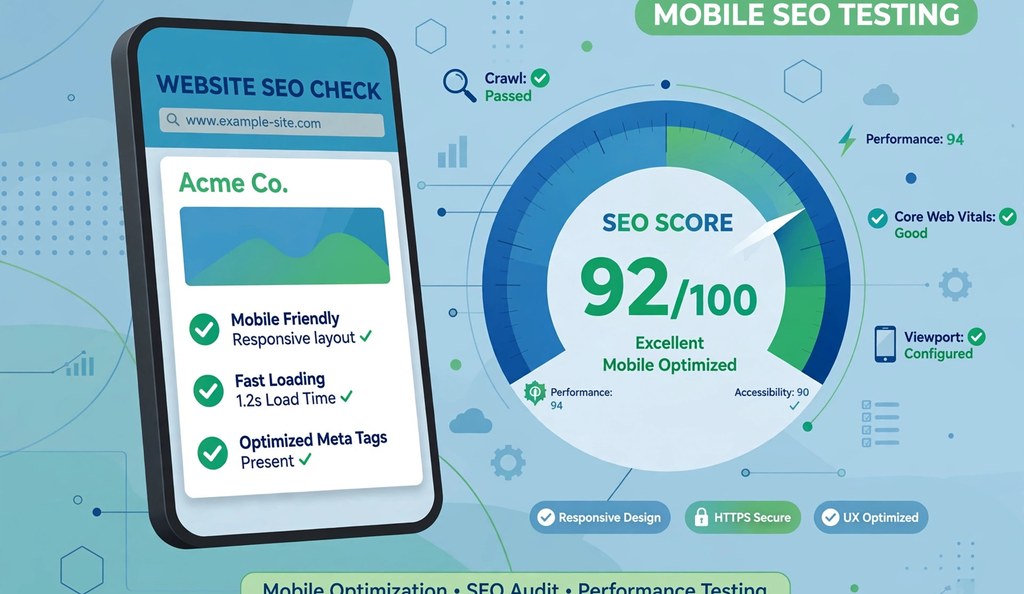
Every serious engagement starts with an audit. The provider crawls your site like Google does and documents every technical barrier: broken links, redirect chains, crawl budget waste, indexation problems, duplicate content, thin pages, mobile usability errors, and HTTPS issues. On WordPress, the audit pays special attention to theme code, plugin conflicts, the robots.txt file, and the way categories, tags, and pagination generate URLs. A full seo website check should cover all of these, and the audit report should prioritize fixes by expected impact so the most damaging issues get fixed first.
On-Page Optimization for WordPress
On-page work tunes individual pages and posts so each one targets a clear keyword with a clear intent. This includes rewriting title tags and meta descriptions, improving heading structure, adding internal links with descriptive anchor text, optimizing images with alt text and compression, and making sure the primary keyword appears naturally in the introduction and key sections. On WordPress, much of this happens inside the editor and the SEO plugin metabox, but the strategy behind it (which pages target which keywords, how content clusters link together) is where a professional service earns its fee.
Site Speed Optimization
Page speed is a ranking factor and a conversion factor. WordPress speed services typically start with measurement, then move through caching configuration, image optimization and lazy loading, database cleanup, removal of unused plugins and scripts, font optimization, and sometimes a move to faster hosting or a CDN. Many WordPress sites drop from a five second load time to under two seconds after proper optimization. Because Core Web Vitals feed directly into rankings, speed work is one of the highest return activities a WordPress SEO service performs.
Rank Math or Yoast Setup and Configuration
An SEO plugin does not optimize your site by itself; it is a tool that needs correct configuration. A WordPress SEO service sets up Rank Math or Yoast properly: connecting it to Google Search Console, configuring title and meta templates for posts, pages, categories, and custom post types, setting noindex rules for thin archives and attachment pages, and enabling the features you actually need while disabling the bloat you do not. Done right, the plugin enforces good SEO hygiene automatically every time you publish.
Schema Markup and Structured Data
Schema markup helps Google understand your content and can earn rich results like star ratings, FAQ dropdowns, and article carousels. WordPress SEO services implement schema for your content types: Article schema for blog posts, Product schema for WooCommerce, LocalBusiness schema for service sites, FAQ and HowTo schema where appropriate. They also test the output with Google’s Rich Results Test and fix conflicts when two plugins try to output the same markup, a common WordPress headache.
XML Sitemaps and Search Console Setup
Your XML sitemap tells Google which pages matter and when they were last updated. The service makes sure your sitemap is clean (no 404s, no noindexed URLs, no thin tag pages), splits large sitemaps correctly, and submits them in Google Search Console. They also set up Bing Webmaster Tools, configure the preferred domain, monitor the coverage report for new errors, and make sure new content gets discovered quickly. This plumbing work is invisible to visitors but essential for indexation.
Content Strategy and Content Optimization
Technical fixes open the door, but content is what ranks. WordPress SEO services usually include keyword research mapped to your existing pages, content briefs for new articles, and optimization of underperforming posts. They identify pages stuck on page two of Google and strengthen them with better coverage of the topic, clearer headings, added FAQs, and stronger internal linking. For WordPress blogs with years of published posts, a content refresh program often produces the fastest ranking gains of the entire engagement.
Link Building and Digital PR
Backlinks remain one of the strongest ranking signals. Reputable WordPress SEO services build links through guest posting on relevant sites, digital PR campaigns, fixing broken link opportunities, and reclaiming unlinked brand mentions. They avoid link schemes, paid link networks, and spammy directories, because those tactics risk a Google penalty that can take months to recover from. Link building is usually the most expensive part of a service, and also the part most worth paying for when it is done legitimately.

Common WordPress SEO Issues Services Fix
After auditing hundreds of WordPress sites, professionals see the same problems again and again. If your site has any of these, a WordPress SEO service can usually fix them quickly.
Slow loading pages. Bloated themes, unoptimized images, and plugin overload are the usual causes. Fixing them improves rankings and keeps visitors from bouncing.
Duplicate and thin content. Tag archives, date archives, author pages, and attachment URLs can create dozens of near duplicate pages. The fix is a combination of noindex rules, canonical tags, and consolidating thin pages.
Missing or weak meta tags. Many WordPress sites publish for years with auto generated titles and no meta descriptions. Rewriting them with keyword focus and click appeal lifts click through rates, which supports rankings.
Broken internal linking. Orphan pages with no internal links are hard for Google to discover and rank. A good service maps your content into topic clusters and links related posts together naturally.
No schema markup. Without structured data, you miss out on rich results that make your listings stand out on the search results page.
Indexation problems. Important pages blocked by robots.txt, accidental noindex tags from a staging site that went live, or sitemap errors can keep your best content out of Google entirely. A quick seo page checker scan of your key templates often reveals these issues in minutes.
DIY WordPress SEO vs Hiring a Service
You can absolutely handle WordPress SEO yourself, and for a new or small site, DIY is often the right choice. The fundamentals are learnable: install Rank Math, write good titles, publish genuinely useful content, and keep the site fast. Many site owners rank well with nothing more than consistent effort and a solid plugin setup.
Hiring a service makes sense when the situation gets complex. If your site has hundreds of pages, a history of traffic drops, technical problems you cannot diagnose, or competitors outspending you, a professional brings experience you cannot replicate quickly. Agencies also bring tools and data (enterprise crawlers, backlink databases, testing experience across many sites) that would cost you far more to assemble on your own.
The honest middle ground works well for many businesses: hire a service for the technical audit and the heavy fixes, then keep content publishing and basic optimization in house. Ask any provider whether they offer this hybrid model before assuming you must buy a full monthly retainer.
How to Choose the Right WordPress SEO Service Provider
The SEO industry has a wide quality range, and WordPress specialists are no exception. Use the framework below to separate genuine experts from sales operations.
Questions to Ask Before You Hire
Ask for specific examples of WordPress sites they have grown, with traffic data they can show. Ask what their first 30 days look like and what deliverables you receive. Ask which SEO plugin they prefer and why, how they handle site speed, and what their link building process involves. Ask how they report results and how often. A strong provider answers all of this clearly and in plain language. Vague answers about “proprietary methods” are a warning sign.
Red Flags to Avoid
Walk away from anyone who guarantees number one rankings, since no honest SEO can promise that. Avoid providers who will not explain what they are doing, who bundle thousands of low quality directory links, who want full admin access with no clear scope, or who lock you into a long contract before showing any work. Also be cautious of prices that seem impossibly low: real technical work and real outreach cost real money, and a suspiciously cheap service usually means automated, low value activity.
WordPress SEO Service Pricing
Pricing varies by scope and market. A one time WordPress SEO audit typically costs between 500 and 2,500 dollars depending on site size. Monthly retainers for ongoing services usually range from 750 to 5,000 dollars per month, with most small to mid sized businesses landing between 1,000 and 2,500. Project based work, like a speed optimization package or a site migration, is often quoted as a fixed fee. Be wary of anyone charging far below these ranges for supposedly full service work, and equally wary of premium prices with no clear breakdown of what you get each month.
How to Measure Whether the Service Is Working
SEO takes time, but it should never be a black box. Agree on metrics before work begins, then track them consistently. The core indicators are organic traffic growth, keyword ranking improvements, click through rate from search results, and conversions or leads from organic search.
Start by running an seo score check on your homepage to establish a baseline before the service begins. Then check seo ranking for your priority keywords every two to four weeks and record the movement. When you check website seo ranking for your target terms, focus on trends over several weeks rather than daily jumps, since rankings naturally fluctuate.
Run your key pages through a seo website checker style audit each month to confirm the technical fixes actually stuck, especially after plugin or theme updates that can quietly undo settings. A full seo website check after every major site change keeps regressions from silently eating your progress.
Finally, if you ever buy an existing domain for a new WordPress project, check the domain’s age with a free domain age checker and read our guide on does domain age affect seo before you invest. An older domain with a clean history can give your new site a head start, while one with a spammy past can hold it back no matter how good the on page work is.
Frequently Asked Questions
What is WordPress SEO?
WordPress SEO is the practice of optimizing a WordPress website so it ranks higher in search engines. It includes technical fixes (speed, crawlability, indexation), on page optimization (titles, headings, internal links), content strategy, and link building, all adapted to how WordPress themes, plugins, and the database work.
How much do WordPress SEO services cost?
A one time WordPress SEO audit usually costs 500 to 2,500 dollars. Monthly retainers range from 750 to 5,000 dollars per month, with most small businesses paying 1,000 to 2,500. Fixed fee projects like speed optimization depend on scope. Prices far below these ranges usually signal low quality automated work.
Do I need a WordPress SEO service if I already use Yoast or Rank Math?
An SEO plugin is a tool, not a strategy. It helps you implement titles, sitemaps, and schema, but it does not choose your keywords, fix your site speed, build backlinks, or diagnose why traffic dropped. Many sites with a perfectly configured plugin still underperform because the strategy and technical foundation are missing.
How long does WordPress SEO take to show results?
Technical fixes can improve crawlability within weeks, but meaningful ranking and traffic gains typically take three to six months. Competitive keywords can take longer. Be skeptical of any provider promising major results in 30 days, since sustainable SEO compounds over time rather than arriving overnight.
Is WordPress good for SEO?
Yes. WordPress is one of the most SEO friendly platforms available, with clean code, flexible permalink structures, and excellent SEO plugins. The problems usually come from bloated themes, too many plugins, and neglected technical maintenance, all of which a good WordPress SEO service addresses.
What is the difference between Yoast SEO and Rank Math?
Both are excellent WordPress SEO plugins. Rank Math offers more features in its free version, including schema controls and keyword tracking, while Yoast is known for its simplicity and long track record. A good service works confidently with either and configures whichever you already use rather than forcing a switch.
Can I do WordPress SEO myself?
Yes, especially for smaller sites. Learn the basics, install Rank Math or Yoast, publish useful content consistently, and keep your site fast. Consider hiring help when the site is large, has technical problems you cannot diagnose, or competes in a difficult niche where professional tools and experience make the difference.
What does a WordPress technical SEO audit include?
A proper audit crawls your site and reports on broken links, redirect chains, indexation errors, duplicate content, page speed, mobile usability, schema problems, plugin conflicts, and security issues that affect SEO. It should end with a prioritized action list, not just a raw data dump.
Do WordPress SEO services include content writing?
Some do and some do not, so ask directly. Many providers include content briefs and optimization of existing posts but charge separately for new article writing. Full service agencies often bundle a set number of articles per month into the retainer. Clarify this before signing, since content is usually essential to the results.
How do I know if my WordPress SEO provider is actually working?
Insist on transparent monthly reporting tied to metrics that matter: organic traffic, keyword rankings for agreed target terms, click through rates, and conversions. You should also see concrete deliverables each month, such as fixed technical issues, optimized pages, published content, or earned backlinks.
Should I pay for the premium version of my SEO plugin?
Usually not necessary at the start. The free versions of Rank Math and Yoast cover everything most sites need. Premium adds conveniences like redirect managers and extra schema types, which matter more for large or complex sites. A service should justify the upgrade with a specific need, not a blanket recommendation.
What are the most common WordPress SEO mistakes?
The most common mistakes are ignoring site speed, letting tag and archive pages create duplicate content, publishing without keyword research, skipping internal linking, using too many plugins, and never checking Google Search Console for errors. Most of these are fixable in a single focused cleanup.
Do I really need schema markup on WordPress?
You do not strictly need it to rank, but it is strongly recommended. Schema helps Google understand your content and can earn rich results that increase your click through rate. On WordPress it is easy to implement through Rank Math or Yoast, so there is little reason to skip it.
How often should my WordPress site get an SEO audit?
A full technical audit once or twice a year is enough for most sites, with lighter monthly checks on rankings, Search Console errors, and page speed. Audit immediately after major changes like a theme switch, a migration, or a big plugin overhaul, since those are the moments when SEO settings most often break.
Conclusion
WordPress SEO services make sense when the technical complexity of the platform starts costing you rankings. A good provider combines a thorough audit, speed optimization, proper plugin configuration, on page improvements, schema, and legitimate link building into one coherent plan, then proves the value with transparent reporting on traffic, rankings, and conversions.
Whether you hire help or handle it yourself, the fundamentals do not change: keep the site fast, publish content people actually want, fix technical errors quickly, and measure everything. Start with a baseline audit, track your priority keywords over time, and give the work three to six months to compound. WordPress gives you one of the best foundations for search visibility on the web, as the platform’s own history shows (WordPress on Wikipedia), and with the right SEO approach that foundation can turn into lasting organic growth.