I check the loading speed of every website I work on before I touch anything else. Speed lifts both user experience and search visibility at the same time, and it usually takes less effort than people expect. This guide shows you exactly how I check website loading speed, what the numbers mean, and the fixes that move them.
A slow site does more than annoy visitors. It pushes them back to the search results, and that quietly erodes your rankings over time. After a speed audit, I like to check SEO ranking positions too, so I can connect the timing of the fix with any movement in the results.
Below is my step by step process, the Core Web Vitals explained in plain language, the most common causes of slow pages, and quick wins you can apply today.
Why Website Loading Speed Matters
Google has treated page speed as a ranking signal for years, because searchers prefer fast pages. When your page loads slowly, visitors bounce, engagement drops, and conversions fall. From what I have seen, even a one second delay can noticeably change how a page performs, which is why I treat speed as a foundation, not a finishing touch.
- Rankings: faster pages hold their positions better, especially on mobile searches.
- Bounce rate: visitors decide within seconds whether to stay, and a slow load makes that decision for them.
- Conversions: shops, lead forms and booking pages all convert better when they feel instant.
- Crawl efficiency: a fast server lets search engines crawl more of your pages per visit.
Core Web Vitals Explained
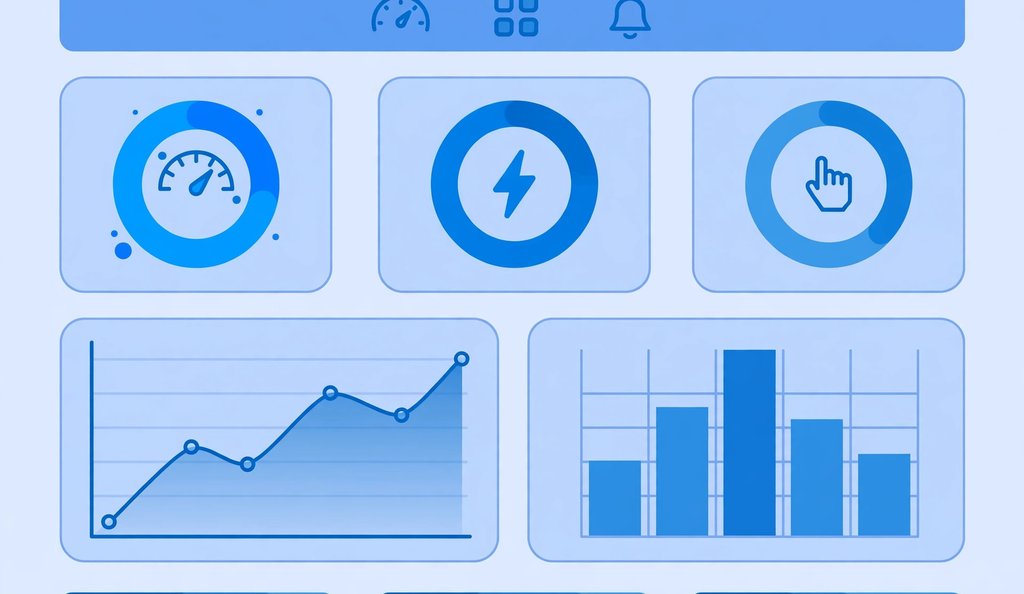
Google measures loading speed through three Core Web Vitals. You do not need to memorise the technical specs, but every speed report you read will score you on them.
LCP: Largest Contentful Paint
LCP measures how long it takes for the largest visible element on the page to load, usually the hero image, headline block or large banner. It is the closest thing to what a visitor thinks of as “the page loaded,” and it is the first number I check in any report.
CLS: Cumulative Layout Shift
CLS measures visual stability, or how much the page jumps around while loading. You know the moment when you are about to tap a button and the layout shifts so you tap an ad instead. Good CLS scores come from setting image dimensions and avoiding late loading content above the fold.
INP: Interaction to Next Paint
INP measures responsiveness: how quickly the page reacts when a visitor clicks, taps or types. A page can look loaded but still feel frozen if heavy scripts block interaction. INP is the metric that tells you how the page actually feels to use.
| Metric | What it measures | Good score |
| LCP | Loading of the largest visible element | Under 2.5 seconds |
| CLS | Visual stability while the page loads | Below 0.1 |
| INP | Responsiveness to user interaction | Under 200 milliseconds |
Get all three into the green and your site will feel fast on real devices. If one lags behind, fix that one first instead of chasing a perfect overall score.
How to Check Your Website Loading Speed (Step by Step)
Step 1: Run a Full Speed Test
I begin every audit with a full seo website check using a dedicated testing tool. My go to is the free website speed tester, which reports load times, page size and the specific bottlenecks holding you back. Enter your homepage first, then repeat on two or three key inner pages, because templates can vary a lot across a site.
Step 2: Review the Bottleneck List
The test report gives you a prioritised list of problems, and that list is your action plan. I start with a broad SEO score check to see how speed fits into the overall health of the page, then dig into the details. A good seo page checker breaks the page down element by element: oversized images, render blocking scripts, unminified files and slow server response times each get flagged with an estimated saving. Work through the list from the top down, where the biggest time savings hide.
Step 3: Test Desktop and Mobile Separately
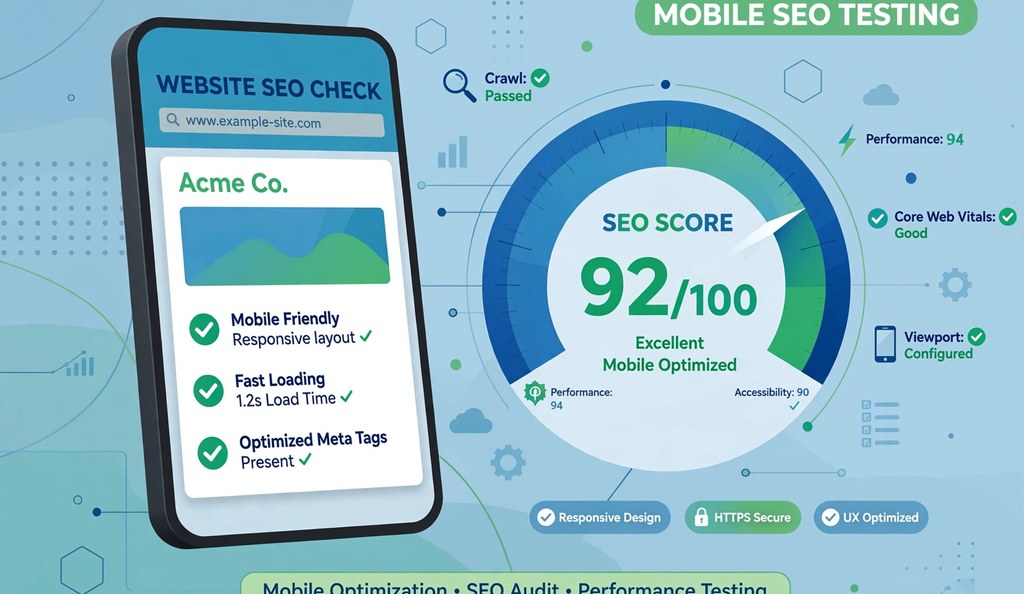
Desktop and mobile results can be wildly different, and Google ranks you on the mobile experience. I always run both and treat the mobile score as the one that matters most. Our mobile SEO checker guide walks through the full mobile audit, including viewport issues, tap targets and mobile specific speed problems that desktop tests never catch.
Mobile scores are almost always lower, because phones have less processing power and often run on slower connections. If your mobile LCP is in the red while desktop is green, you have a mobile optimisation problem, not a general speed problem.
Step 4: Re-test After Every Fix
Never assume a fix worked. After each change, clear your cache and run the test again, keeping a simple log of before and after numbers. I run my usual seo website checker routine monthly on client sites to catch regressions early, because one new plugin or uncompressed image can quietly drag scores back down.

Common Causes of Slow Load Times
Most slow sites I audit suffer from the same handful of problems:
- Uncompressed images: huge photo files are the number one cause of slow pages I encounter. A hero image saved at full camera resolution can weigh several megabytes.
- Too many plugins: every plugin adds code, and many add scripts on pages that never use them.
- No caching: without caching, your server rebuilds the page from scratch for every visitor instead of serving a ready made copy.
- Render blocking scripts: JavaScript and CSS files that load before the visible content delay everything the visitor sees.
- Slow hosting: a cheap shared server can add seconds that no optimisation removes.
- No CDN: visitors far from your server wait longer for every file unless a content delivery network serves copies from nearby locations.
- Legacy clutter: if you picked up the domain secondhand, old redirects and abandoned plugins may still be dragging it down. In that case it helps to check domain age and audit what the previous setup left behind.
Speed Optimization Quick Wins
You do not need a developer for most of these. The fixes I apply first, because they deliver the biggest gains with the least risk:
- Compress your images. Resize them to the display size and run them through a compressor before uploading. This alone often cuts page weight in half.
- Enable page caching. A caching plugin serves ready built pages instantly. This is the highest impact change on most WordPress sites I work on.
- Minify CSS and JavaScript. Stripping whitespace and comments shrinks files noticeably, and most caching plugins do this with one click.
- Lazy load below the fold media. Images and videos further down the page should only load when the visitor scrolls near them.
- Remove unused plugins and themes. Audit your plugin list quarterly and delete anything you do not actively use.
- Upgrade hosting if the server is the bottleneck. If time to first byte is slow on every page, move to a host with solid server response times.
- Use a CDN. A free content delivery network plan is enough for most small sites and helps international visitors.
FAQs
What is a good website loading speed?
Aim for largest contentful paint under 2.5 seconds on mobile. Sites that load in under three seconds keep visitors engaged, while anything past five seconds starts losing a serious share of traffic.
Do I need to test both desktop and mobile speeds?
Yes, always test both, and give mobile the priority. Google uses mobile first indexing, so the mobile experience decides your rankings.
Are free speed testing tools accurate?
Yes, for practical purposes they are. They measure from real server locations and flag genuine bottlenecks. Paid tools add historical tracking and more test locations, but a good free test gives you everything you need to fix the main problems on your site.
What is the difference between LCP and total page load time?
LCP measures when the main visible content appears, while total load time includes everything, even background scripts and trackers. A page can feel fast with a good LCP even if the total looks long, because visitors see the content early. That is why I optimise for what visitors perceive, not just the final number.
How often should I test my site speed?
Test after every meaningful change and run a full check monthly. New plugins, theme updates and image uploads can quietly slow a site down. A monthly routine takes ten minutes and catches regressions before they cost you rankings.
Will faster loading improve my SEO rankings?
Speed is a confirmed ranking factor, and it also improves the engagement signals that support rankings: lower bounce rates, longer sessions and more conversions. When you check website seo ranking positions a few weeks after a speed fix, you will often see movement, especially on mobile searches.
Why is my mobile score lower than my desktop score?
Phones have less processing power, smaller caches and often slower connections than desktop test environments. The same page takes more work to render on a phone, but mobile specific fixes like responsive images, reduced JavaScript and lazy loading close most of that gap.
Should I check my rankings after fixing speed issues?
Yes, and give it time. When you check seo ranking of website pages right after a fix, nothing may have moved yet. Search engines need days or weeks to recrawl and reassess. I usually check seo rankings again after two to four weeks and compare against the baseline I recorded before the fix.
Final Thoughts
Checking your website loading speed is one of the highest value habits you can build as a site owner. It takes minutes, the tools are free, and the fixes are mostly straightforward.
Start with a full speed test, work through the bottleneck list, fix mobile first, and re-test after every change. Do that consistently and speed becomes a quiet advantage instead of a hidden tax on everything else you build. If you want the full technical background, the article on Web performance on Wikipedia covers the definitions and history behind these metrics.