Peitner: Surname Meaning, Origin and History
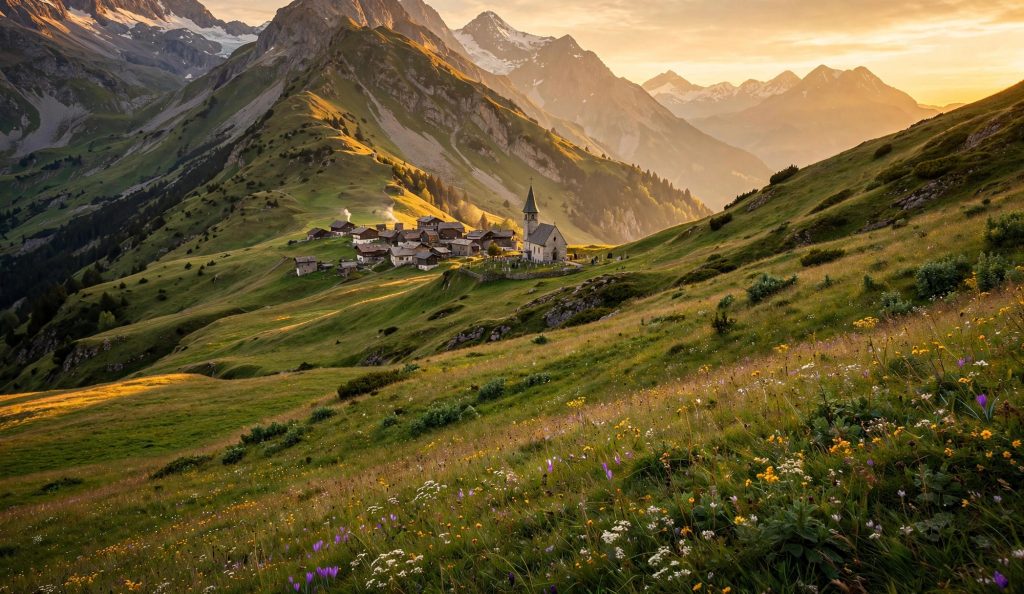
Peitner is best understood as an uncommon Central European surname tied to the German-speaking Alpine regions, including Austria, Bavaria, and South Tyrol. Genealogical sources most often describe it as a topographic or place-linked name, possibly connected to mountain slopes or elevated ground, and it is closely related to the spelling variant Peintner. Because rare surnames hold fewer reliable records than common ones, researching a Peitner family line works best by working backward through church registers, civil documents, and immigration files one generation at a time.
What Is the Peitner Surname?
Peitner is primarily discussed as a family name rather than a word with everyday modern use. Most references describe it as a relatively rare surname concentrated in the German-speaking parts of Central Europe, with the strongest associations in Austria, southern Germany, and South Tyrol in northern Italy. Its rarity is part of what makes people curious about it. A surname that appears only in a few families naturally raises questions about where it came from and what it once described.
Like many historic European family names, Peitner probably developed during a period when communities needed extra labels to tell people apart. When several men in one village shared the same first name, a second identifier became necessary. That identifier could point to where someone lived, the land their family farmed, the work they did, or some other feature the whole community recognized. Over time, many of these practical labels hardened into surnames passed from parent to child.
Viewed this way, Peitner is not a modern invention or a brand name. It is better understood as a product of German-language naming traditions that grew out of small Alpine communities over centuries. Its exact story for any single family depends on documents, not on the spelling alone.
What Does the Name Peitner Mean?
There is no universally settled dictionary definition of Peitner, and anyone who claims one exact translation without evidence is oversimplifying the picture. Genealogical databases most often describe it as a topographic surname, which means it likely described a place rather than an occupation or a parentage. The dominant theory connects it to people who lived near a mountain slope, ridge, or spur of land in the Alps.
The reasoning behind this theory comes from older Germanic words for sloping or elevated ground, combined with the common German ending “-er”, which in many place names signals “a person who lives at” or “a dweller by”. This structure mirrors familiar English surnames such as Hill, Ridge, or Beck (for a stream): simple, honest descriptions of the landscape a family inhabited.
A second line of interpretation sometimes appears in Ashkenazic Jewish naming discussions. In Yiddish-influenced contexts, some researchers link the root to words connected with metalwork, which would make Peitner an occupational name for a person who worked with pewter or soldered metal. This explanation is far less commonly cited than the topographic one, but it is worth knowing because it shows how one spelling could have more than one origin in different communities.
The safest conclusion is that Peitner most plausibly points to Alpine geography for families with German or Austrian roots, while remaining open to alternative explanations for specific branches. A surname is a hypothesis until the records confirm it.
Origin and Historical Roots of Peitner
The historical roots of Peitner sit within the German-speaking Alpine world. For generations, the regions of Austria, Bavaria, Tyrol, and South Tyrol shared language, trade routes, marriage networks, and farming traditions, even as modern borders later divided them. Families stayed rooted in small communities for long stretches, and their names grew directly out of that settled life.
In these communities, a surname could attach itself to a family through several routes. A man might be known by the farmstead his family occupied for generations. Another might be identified by the valley, meadow, or slope connected with his household. Local pronunciation and the habits of whichever priest or clerk kept the records would then fix the spelling, at least for that generation.
Over time, these local identifiers became inherited family names. That process did not happen on a single date. It unfolded gradually across the late medieval and early modern periods, with different regions formalizing hereditary surnames at different speeds. For a rare name like Peitner, this means the earliest documented bearers may appear in different valleys and parishes with slightly different spellings, without necessarily belonging to one original family.
The Alpine Connection: Austria, Bavaria, and South Tyrol
Austria, Bavaria, and South Tyrol form the core geography of the Peitner story. These were not isolated places. Alpine passes, seasonal grazing routes, and trade corridors connected settlements that look distant on a modern map. Marriage between villages, apprenticeships in nearby towns, military service, and seasonal work all moved people and their names across short but meaningful distances.
South Tyrol deserves special attention because its history explains how a German-looking surname can appear in Italian records. The region has deep German-speaking roots alongside Italian and Ladin communities, and its political administration changed across the centuries while many families stayed in exactly the same villages. A Peitner appearing in an Italian civil record therefore does not automatically indicate recent immigration from Austria or Germany. The family may have belonged to the region’s German-speaking population for generations.
For genealogists, this means treating modern national borders as unreliable guides. Historical geography matters more than the map on the wall today. A family could have crossed from Tyrol to Bavaria for work, settled in a new valley, and carried the surname with them, leaving records scattered across parishes that now sit in different countries.
Peitner vs Peintner: Understanding the Spellings
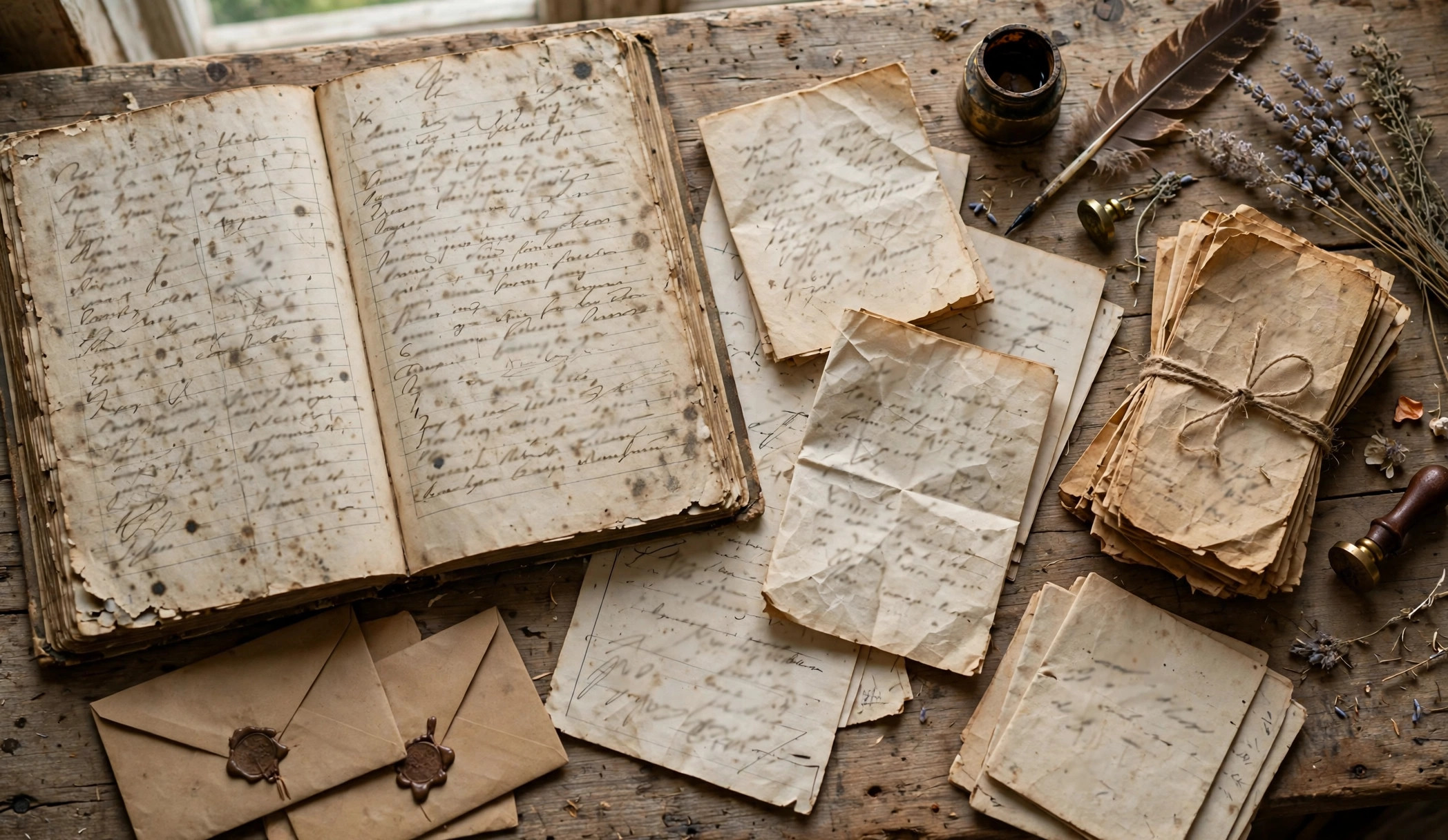
Peitner and Peintner are closely linked spellings, and researchers should always treat them as one search target. Before standardized spelling and modern identification systems, family names were written the way the person keeping the record heard them or remembered them. A priest recording a baptism might write one form while the clerk recording a marriage wrote another, and neither would consider the difference significant.
Several factors created these variations. Local dialects softened or sharpened consonants. Handwriting in old registers can be genuinely hard to read, and modern indexers sometimes transcribe the same name two different ways. Moving between German-speaking and Italian-speaking administrative areas introduced further changes, since officials in each system adapted unfamiliar names to their own conventions.
Some sources note that the variant Peintner is occasionally connected with older words for a painter, which shows how a small spelling shift can nudge the apparent meaning of a name. That possibility does not change the main task for researchers: search both spellings, collect records under both, and judge relationships by matching dates, places, and relatives, not by spelling alone. Two families with nearly identical names may be completely unrelated until the evidence says otherwise.
Is Peitner an Occupational or a Geographical Surname?
It is tempting to place Peitner neatly into one category, but the evidence does not fully settle the question. German-language surnames often share similar structures even when their historical origins differ, so conclusions drawn from spelling alone are unreliable.
The geographical explanation remains the strongest overall. Many Alpine surnames grew from villages, farms, estates, valleys, and other features tied to a person’s identity. In rural communities, a particular farmstead could become so closely associated with one family that the place name and the family name merged across generations. A name pointing to sloping or elevated ground fits this pattern naturally, since Alpine settlement was all about finding livable slopes above the valley floor.
An occupational origin cannot be ruled out either, though the case is weaker. The “-ner” ending appears in occupational names in some traditions, but it also appears in place-linked names, so the suffix by itself proves nothing. For families with possible Ashkenazic roots, a metalworking interpretation remains on the table, but it would need documentary support, such as guild records or tax lists describing a metalworking ancestor.
The practical takeaway is to keep both possibilities alive while letting original documents decide. A parish register that places an early Peitner on a specific hillside farm supports the geographical theory. A guild or tax record describing a tinsmith ancestor would point the other way. Either way, the answer for your family is in the archives, not in the spelling.
How the Peitner Surname Likely Developed
To understand how Peitner may have developed, it helps to picture village life before inherited surnames were universal. In a small community, a single given name often identified a person well enough. As populations grew and record-keeping expanded, one name stopped being sufficient, and descriptive additions appeared.
These descriptions drew on everyday knowledge. A man could be identified by his farm, his trade, his father, a physical trait, or the piece of landscape tied to his household. Over generations, the description that stuck became the surname, and it began passing to children regardless of whether the original reason still applied. A family could move away from the hillside generations later and still carry the name.
Peitner most likely belongs to this wider German-language naming tradition. Its exact formation cannot be recovered from the modern word alone, which is why surname researchers emphasize documentary evidence. The name tells you where to look; only records tell you who the family actually was.
Where Peitner Families Historically Lived
The surviving references to Peitner cluster in Alpine and pre-Alpine territory. Upper Bavaria and the Upper Palatinate appear as historic heartland areas, with early bearers described as farmers, landowners, and craftsmen in small mountain communities. Tyrol and South Tyrol contribute further records, including families who lived for generations in valley settlements and hillside hamlets.
Parish registers from the sixteenth and seventeenth centuries are the earliest sources researchers typically cite for the name in these regions, though exact first appearances vary by archive and cannot be pinned to a single founding family. What the pattern suggests is a name that arose organically in Alpine German-speaking communities rather than arriving through a single dramatic migration.
Later records show the name persisting in these regions while also spreading outward. This pattern of a concentrated core with scattered outliers is typical of rare Alpine surnames: most bearers stayed close to the original territory, while a smaller number moved for work, marriage, or military service.
Migration and the Spread of the Peitner Name
Migration explains why Peitner families can now be found outside Central Europe. During the nineteenth and twentieth centuries, economic pressure, industrial jobs, and family networks drew many Europeans abroad. People from Austria, Germany, South Tyrol, and neighboring areas built new lives in the United States, Canada, Australia, and elsewhere, and their surnames travelled with them.
Spelling changes sometimes accompanied the journey. An immigration officer or census taker hearing an unfamiliar Alpine name might record it slightly differently, and the new form could stick. This is another reason researchers should keep Peintner and other close variants on their search list. A name that looks different on a passenger manifest may be the same family a generation earlier.
Finding Peitner outside Europe therefore says nothing automatic about a different origin. The responsible method is to work backward, generation by generation, from the present to the earliest documented European ancestor. Modern surname distribution maps can suggest where to look, but they cannot replace the paper trail.
Researching Peitner Ancestry: A Practical Genealogy Guide
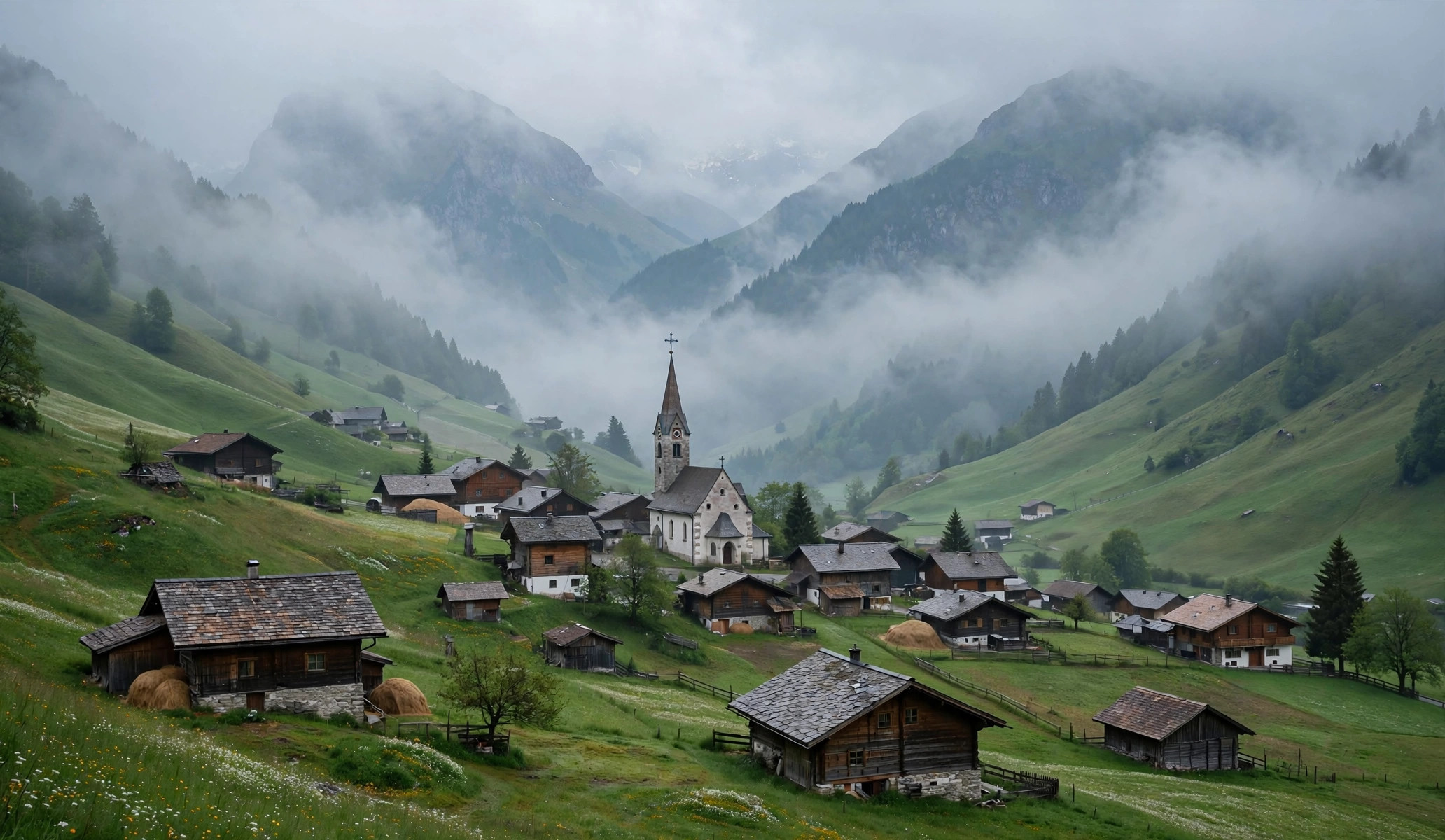
Genealogy is the most reliable way to discover the history of a particular Peitner family. General background about the surname provides useful context, but it cannot identify anyone’s ancestors. The following approach works for rare surnames generally and applies directly to Peitner research.
Start With What You Know
Begin with your oldest known Peitner ancestor and collect everything you can: full name, approximate birth date, residence, marriage details, occupation, spouse, children, and place of death. Locations are especially valuable because they point to the right churches, municipalities, cemeteries, and archives. Family photographs, letters, certificates, and obituaries can all contain clues, and older relatives may remember details that never reached the records.
Record every spelling exactly as it appears in each document instead of silently correcting it. A certificate that says Peintner while another says Peitner may be describing the same person, and that spelling trail can become the thread that links generations together.
Key Historical Records to Search
Church registers are often the richest source for European families: baptism, marriage, and burial entries can identify parents, spouses, witnesses, and residences across several generations. Civil registration, where it exists, adds official records of births, marriages, and deaths. Census returns, cemetery inscriptions, military files, property deeds, tax lists, and immigration documents each answer different questions.
For Alpine research, pay attention to parish boundaries rather than modern municipal ones. The church that kept your family’s records may sit in a different village from the one where they lived, and the archives holding those registers may now be organized under a regional church office. Property records deserve special effort for a potentially topographic name, since a deed could connect the family directly with the slope, farm, or settlement the name may describe.
Searching Both Peitner and Peintner
Search both spellings in every database, and add plausible variants as they appear. Compare dates, places, relationships, and occupations before concluding that two records describe the same person. Several matching details build a strong connection; a matching name alone builds almost none. This discipline is the difference between a real family tree and an attractive fiction.
When records cross from German-speaking to Italian-speaking areas, watch for translated or adapted first names alongside the surname changes. A Johann in one register might appear as Giovanni in another, with the family surname adjusted to match the language of the clerk.
Peitner and the Online World
Surname research today often ends up online, and many families eventually build a website to share their findings. A family history site is a good way to publish transcribed records, photographs, and family trees in one place where relatives can find them. If you plan to register a domain for a Peitner family project, it is worth checking a domain’s history with a domain age checker before you commit, since older domains with a clean past can carry more trust in search results.
Once the site is live, publishing transcribed parish records and annotated photographs can attract distant relatives who search for the same surname. Running an SEO score check on your family site helps you spot simple technical problems, such as missing titles or slow pages, that could keep your pages hidden from other researchers. Regularly checking SEO ranking for surname queries shows whether your site actually appears when someone searches for Peitner genealogy.
Many people wonder whether domain age affects SEO when they start a new family history website. The short version is that age can help with trust signals, but quality content and genuine backlinks matter far more, so focus on publishing well-sourced research. If you want a quick history read on a domain you already own, a domain age lookup gives you the registration basics in seconds.
People Also Ask About Peitner
Is Peitner a real surname?
Yes, Peitner is a genuine, if uncommon, family name documented in Central European records, especially in Austria, Bavaria, and South Tyrol. It is not a modern invention.
What nationality is the name Peitner?
Peitner is associated with German-speaking Central Europe rather than one modern nation. Its strongest ties are to Austria, southern Germany, and South Tyrol, regions that shared language and culture across shifting borders.
Is Peitner the same as Peintner?
They are closely related spelling variants of what is likely the same surname. Old records used both forms, so genealogists should search both and judge relationships by matching evidence, not spelling.
How rare is the surname Peitner?
Peitner is a rare surname with a small number of bearers compared to common German names. Rare names often keep a strong regional identity because families stayed in the same areas for generations.
Can Peitner be a Jewish surname?
It can appear in Ashkenazic contexts, where some researchers suggest a possible occupational meaning connected with metalwork, but the most commonly cited origin for the name is topographic and Alpine. Individual family records are needed to know which applies.
FAQs About the Peitner Surname
What does the surname Peitner mean?
The most common interpretation is that Peitner is a topographic surname describing someone who lived near a mountain slope, ridge, or elevated ground in the Alpine regions. No single translation is universally confirmed, so family records remain the best evidence for any individual branch.
Where does the Peitner surname come from?
The origin of Peitner is associated with the German-speaking Alpine regions of Central Europe, particularly Austria, Bavaria, and South Tyrol. These areas shared language, trade, and family connections for centuries.
Is Peitner a German surname?
Yes, Peitner is best classified as a German-language surname, though it can appear in records from South Tyrol, where German-speaking families lived under changing political administrations.
What is the difference between Peitner and Peintner?
They are spelling variants of the same name rather than two fully separate surnames. Before spelling was standardized, clerks and priests recorded names as they heard them, so both forms appear for the same families.
How do you pronounce Peitner?
A common English rendering is “PYT-ner” (PYT as in “fight” without the f), though German speakers may pronounce the “ei” as a long “i” sound, closer to “PITE-ner”. Local dialects could vary.
Is Peitner an occupational or geographical surname?
The evidence does not fully settle this, but the geographical explanation is the most widely supported, linking the name to Alpine slopes and elevated ground. An occupational reading connected with metalwork exists for some Ashkenazic contexts but is less commonly cited.
When did the Peitner surname first appear?
No single first appearance is documented. References to the name appear in Alpine parish and community records from the early modern period, but exact dates depend on which regional archive and family branch you examine.
Are all people named Peitner related?
Not necessarily. Similar surnames could arise independently in different Alpine communities, and spelling convergence can make unrelated families look connected. Only matching records prove a relationship.
How can I research my Peitner ancestors?
Start with your oldest known ancestor, then work backward through church registers, civil records, census data, and immigration documents, always searching both Peitner and Peintner. Compare dates, places, and relatives before linking records together.
Which records are most useful for Peitner genealogy?
Church registers (baptisms, marriages, burials) are usually the most productive for Alpine families, followed by civil registration, census returns, property deeds, military files, and passenger manifests for emigrant branches.
Why does Peitner appear in Italian records?
South Tyrol has a long German-speaking tradition within modern Italy. A German-looking surname in an Italian record usually reflects a family with deep regional roots, not necessarily recent immigration from Austria or Germany.
Did Peitner families emigrate to America?
Some Peitner and Peintner families did emigrate, particularly during the nineteenth and twentieth centuries, when economic migration carried many Central Europeans to the United States, Canada, and Australia. Passenger lists and naturalization records are the best sources for tracing these branches.
What are common first names paired with Peitner?
In Alpine records, bearers often carry traditional German-language given names such as Johann, Franz, Maria, Anna, or Josef, which can complicate research since these names were extremely common. Middle names, house names, and occupations help distinguish individuals.
Could Peitner have changed spelling after immigration?
Yes, spelling changes during immigration were common. Officials unfamiliar with Alpine names recorded what they heard, so emigrant branches may appear under Peintner, Peitner, or slightly altered forms in passenger lists and census records.
Conclusion
Peitner is a small but fascinating window into Alpine history: a rare German-language surname most plausibly tied to mountain slopes and the farming communities of Austria, Bavaria, and South Tyrol, with Peintner as its close spelling twin. Its exact meaning for any one family remains a matter for the archives rather than the dictionary, which is why careful, record-by-record genealogy matters so much here. If the name belongs to your family, start with the relatives you know, search both spellings in every source, and let the documents assemble the story. For a broader understanding of how family names like this developed across Europe, the surname article on Wikipedia is a useful general reference.