Uncuymaza: Meaning, Roots and Andean Culture Explained
Uncuymaza is a term associated with Andean culture and is generally interpreted as relating to reciprocity, unity, and connection with nature. Online sources link it to Quechua roots and to Andean values such as mutual exchange, community cooperation, and respect for the earth. It is not a widely documented standard dictionary term, so descriptions vary.
Every so often, an unfamiliar word starts circulating online and people want to know what it means. Uncuymaza is one of those words. Search results describe it as an Andean or Quechua term connected with reciprocity, unity, community, and a deep respect for nature. The descriptions are enthusiastic, but they are not always consistent. Some call it a philosophy, others a tradition, and others a way of life.
That inconsistency is itself worth understanding. Some words arrive in English with a long, well documented history in dictionaries and academic writing. Others arrive through blogs and social media, where meanings get shaped as they spread. Uncuymaza belongs more to the second group: the ideas it points to are genuinely rooted in Andean culture, but the term itself is not widely recorded in standard Quechua dictionaries the way words like ayni (reciprocity) or pachamama (Mother Earth) are.
This guide takes an honest approach. It explains what uncuymaza is generally understood to mean, the Andean concepts it is associated with, why those ideas matter, and where you should be careful about claims you read online. You will finish with a clear picture of the concept and the cultural traditions behind it, without the exaggeration that often surrounds trending terms.
On this site we usually help readers check seo ranking for their websites or run a quick seo score check before launching a new page. Careful research matters here too: verify before you believe, compare sources, and keep what holds up.
What Does Uncuymaza Mean?
In the explanations found online, uncuymaza is most often interpreted as relating to reciprocity: the principle that giving and receiving should stay in balance. Broader descriptions add layers of meaning around unity, mutual exchange, harmony with nature, and the bonds that hold a community together. Some sources translate it loosely as unity through the earth or connection with nature.
The word is said to come from Quechua, the family of indigenous languages spoken across the Andes of Peru, Bolivia, Ecuador, and neighboring countries. Quechua is one of the most widely spoken indigenous language families in the Americas, and it has given English words like pachamama (Mother Earth) and concepts like ayni (reciprocity). Uncuymaza is presented as belonging to this same family of ideas.
Because the term is not widely documented in standard reference works, the most defensible description is this: uncuymaza is a term used online to describe a cluster of Andean values centered on reciprocity, unity, and respect for the natural world. The values themselves are real and well documented in Andean culture. The specific word is simply less established than the concepts it points to.
What does uncuymaza mean in English?
Uncuymaza is generally interpreted as relating to reciprocity, unity, and connection with nature. Online sources associate it with Quechua roots and Andean values of mutual exchange and harmony between people, community, and the earth.
Is uncuymaza a real Quechua word?
Its status is uncertain. Uncuymaza is not widely recorded in standard Quechua dictionaries, unlike well documented terms such as ayni (reciprocity) and pachamama (Mother Earth). It appears mainly in online articles, so treat specific etymology claims with caution.
The Andean Values Behind the Term
Whatever the exact status of the word, the values linked to uncuymaza are central to Andean life and have been studied for generations. Understanding them is more important than debating the term.
Reciprocity: the heart of the concept
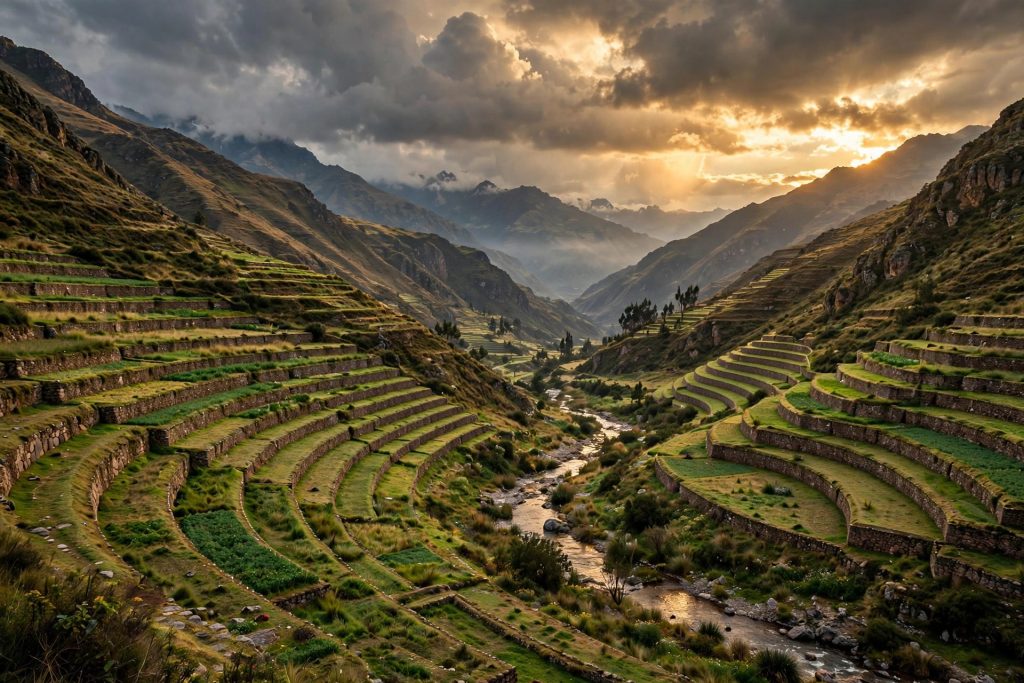
Reciprocity means that relationships work best when giving and receiving stay balanced. In the Andes, this is not just a polite ideal. It is a practical system. The Quechua concept of ayni describes mutual aid: families help each other with planting and harvesting, neighbors contribute labor to community projects, and everyone understands that today’s help creates tomorrow’s obligation. During the Inca period, organized systems of reciprocal labor helped build terraces, roads, and storehouses across the empire.
This is reciprocity as infrastructure, not sentiment. When a farming household falls behind because of illness or bad weather, the community’s labor arrives because the community knows the favor will return. The system only works if trust is high and participation is broad, which is why Andean cultures invested so much in festivals, shared meals, and rituals that renewed social bonds.
Unity and community
Closely tied to reciprocity is the idea that a person is never separate from their community. Decisions about land, water, and harvests were historically made collectively, and community assemblies remain important in many Andean villages today. Celebrations, dances, and shared work days are not just entertainment; they are the maintenance work of social unity.
Some descriptions of uncuymaza emphasize this gathering aspect, suggesting the term may relate to places or occasions where people come together: to exchange goods, share knowledge, celebrate, or make decisions. Whether or not that etymology is exact, the image captures something real about Andean social life.
Connection with nature
The third pillar is the relationship between people and the natural world. In Andean cosmology, the earth is not a resource to be used but a living presence to be respected. This is expressed through Pachamama, often translated as Mother Earth, who receives offerings and thanks in return for her fertility. Agricultural life follows the seasons closely, and rituals mark planting, rain, and harvest.
Quechua Language Context
To understand why a term like uncuymaza attracts attention, it helps to know a little about Quechua itself. Quechua is not one single uniform language but a family of related varieties spoken by millions of people across the central Andes. It was the administrative language of the Inca Empire and remains an official language in Peru and Bolivia.
Quechua concepts often carry layers of meaning that English translations flatten. Ayni is usually translated as reciprocity, but it also implies moral obligation, social memory, and cosmic balance. Pachamama is translated as Mother Earth, but the concept includes time, space, and the sacred dimension of the landscape. When online sources describe uncuymaza in similarly rich terms, they are following this pattern, even when the word itself is less established.
This is also why claims about what a Quechua word “really” means should be checked against reliable sources. Quechua has regional variations, and a word documented in one valley may be unknown in another. A term that is absent from major dictionaries but present in dozens of blog posts deserves honest framing rather than confident etymology.
Traditions Connected With the Concept
Several well documented Andean traditions express the same values that uncuymaza is said to represent. These are the practices worth knowing about, because they are real regardless of the term’s status.
Offerings to the earth
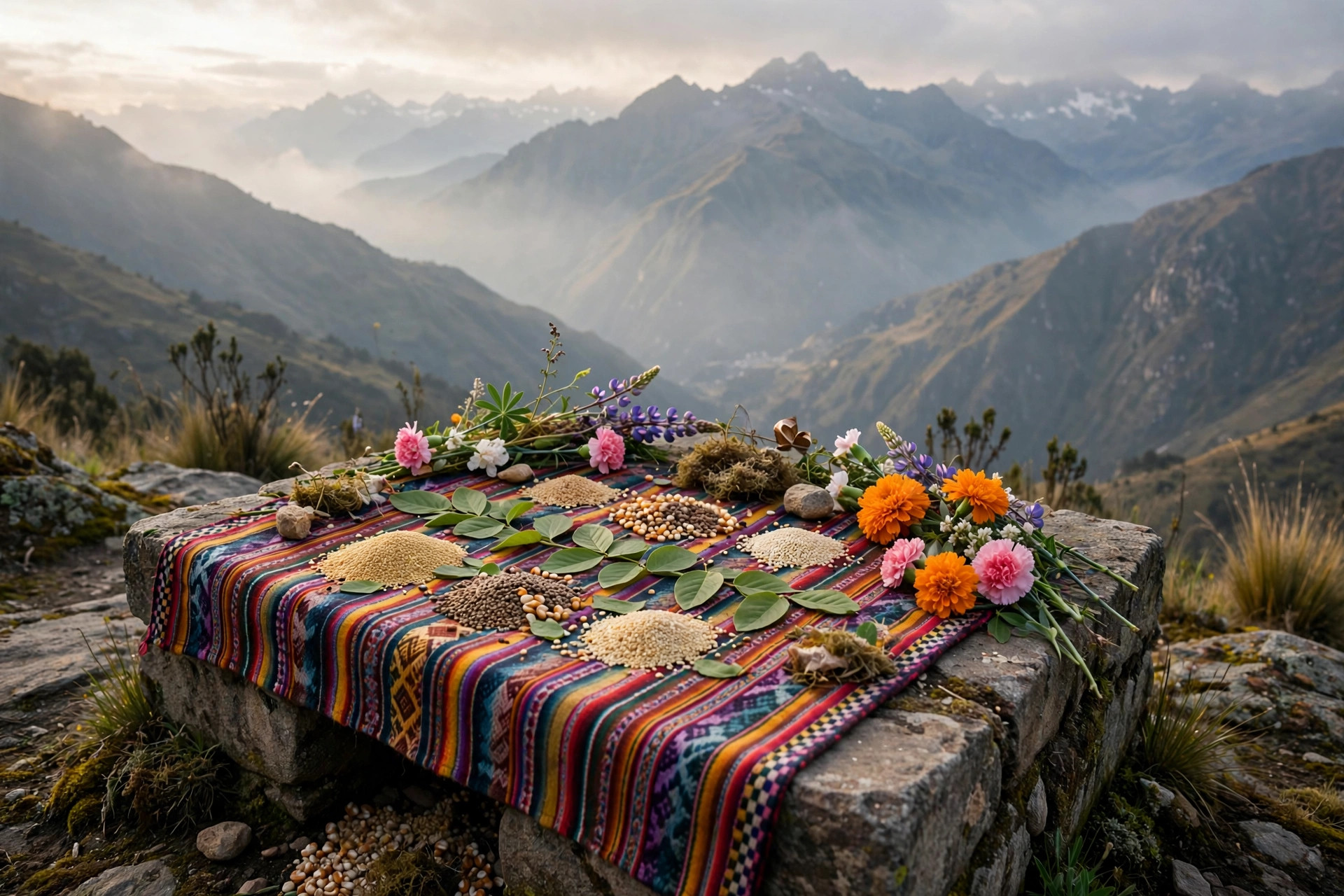
One of the most recognizable Andean rituals is the offering to Pachamama. Families and communities prepare bundles of natural items: grains, seeds, coca leaves, flowers, and other local products. These offerings, sometimes called despachos, are presented with prayers of thanks and then buried or burned. The gesture says: we have taken from the earth, and we give back. It is reciprocity made visible.
Agricultural cycles and seasonal rituals
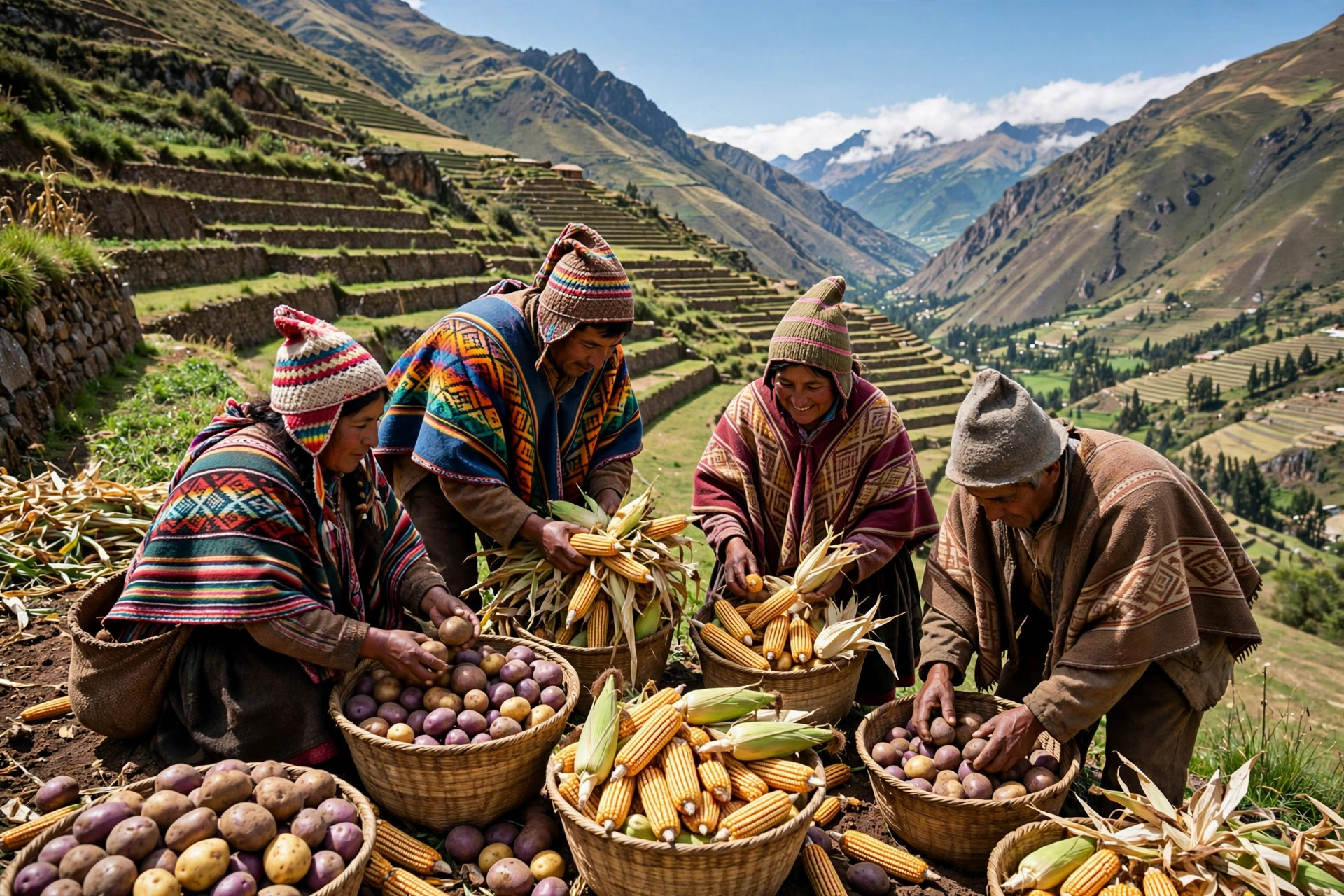
Andean farming follows a demanding calendar. Planting must happen at the right moment, water must be managed carefully at high altitude, and harvests must be gathered before the weather turns. Rituals mark these transitions. Communities ask for rain, give thanks for the harvest, and perform ceremonies to protect crops. These practices coordinate labor, share knowledge, and reinforce the community’s relationship with the land.
Communal work
Shared labor remains a living tradition in many Andean communities. Neighbors gather to help build a house, clear a canal, or bring in a harvest, and the host family provides food and drink. The arrangement is recorded in social memory: who helped, who was helped, and what is owed. This is ayni in its most practical form, and it is the closest real-world expression of what uncuymaza is said to mean.
Textiles and craft as cultural memory
Andean textiles carry patterns that record history, identity, and cosmology. Weaving is often communal, with knowledge passed from elders to younger generations. The craft embodies the same values: patience, cooperation, and respect for materials given by the earth and animals.
What is ayni in Andean culture?
Ayni is the Quechua principle of reciprocity and mutual aid. It describes a system where community members help each other with labor and resources, creating networks of obligation that ensure no one faces hardship alone. It is one of the best documented expressions of the values associated with uncuymaza.
Why Uncuymaza Is Trending Now
If the term is not ancient and well documented, why is it suddenly everywhere? Several forces are pushing it into view.
Growing interest in indigenous wisdom. Around the world, people are looking to indigenous traditions for alternatives to purely individualistic ways of living. Concepts like reciprocity, community care, and ecological respect resonate with readers worried about climate change, loneliness, and social division. Uncuymaza packages these appealing ideas into a single memorable word.
Social media amplification. Short videos and quote graphics travel fast. A striking word paired with beautiful images of the Andes can reach millions of people in days. Each repost adds a little interpretation, so the meaning of the term evolves as it spreads. This is how modern folklore is made.
The wellness and mindfulness market. Ideas about balance, gratitude, and living in harmony with nature fit naturally into wellness content. Writers in this space are always searching for fresh concepts, and an exotic-sounding term with a positive meaning is easy to feature. That commercial pull can inflate claims faster than evidence can check them.
Readers should know this cycle exists, because it means the number of articles about a term is not evidence of the term’s importance. The same pattern appears in every niche: trending topics attract coverage, and coverage creates more searches. Site owners who check website seo ranking data carefully, instead of chasing every trending keyword blindly, make better content decisions.
How the Ideas Apply in Modern Life
Strip away the trending-term packaging, and the values behind uncuymaza offer practical guidance for modern life.
In communities. Reciprocity can be as simple as a neighborhood where people share tools, check on elderly neighbors, and organize cleanups. Modern mutual-aid networks, community gardens, and skill-sharing groups all run on the same principle as ayni: everyone contributes, everyone benefits, and the social fabric grows stronger with use.
In work. Teams that practice real reciprocity share credit, mentor newcomers, and cover for each other during difficult periods. The result is the same as in Andean villages: resilience. A team held together by mutual obligation survives shocks better than one held together by contracts alone.
In our relationship with nature. The Andean view of the earth as a partner rather than a resource is increasingly echoed in modern environmental thinking. Practices like composting, supporting regenerative agriculture, and reducing waste are small daily versions of giving back to the earth that sustains us.
In personal life. Reciprocity is also a guide for relationships. Friendships and family bonds stay healthy when giving flows both ways over time. Keeping rough mental track of who gives and who takes, and correcting imbalances early, prevents the resentment that kills closeness.
What to Be Careful About
An honest guide should flag the risks of romanticizing the concept.
Do not treat blog posts as anthropology. Most online articles about uncuymaza are written by content creators, not by Quechua speakers or Andean scholars. When a claim matters to you, look for academic sources, museum publications, or writing by indigenous authors themselves.
Andean cultures are diverse and modern. The Andes are home to millions of people living modern lives: running businesses, using smartphones, and engaging with global culture. Describing Andean traditions only in mystical terms can be patronizing. Real cultures are complex, and their members get to define what their traditions mean.
Reciprocity has obligations, not just warm feelings. Online descriptions sometimes reduce the concept to generic positivity. In practice, ayni involves real duties, social pressure, and sometimes conflict over what is owed. That seriousness is what makes the system work, and it deserves respect.
Be skeptical of products and courses. When a term trends, someone will sell workshops, jewelry, or coaching around it. Ask what qualifies the seller to teach about Andean culture, and whether any of the proceeds support Andean communities. A genuine interest in the ideas should include respect for the people they come from.
Uncuymaza FAQs
What does uncuymaza mean?
Uncuymaza is generally interpreted as relating to reciprocity, unity, and connection with nature. Online sources link it to Quechua roots and Andean values of mutual exchange and harmony between people, community, and the earth.
Is uncuymaza a real word?
Its status as a standard Quechua term is uncertain. It is not widely recorded in standard dictionaries, though the Andean values it points to are real and well documented. Treat confident etymology claims found online with caution.
What language does uncuymaza come from?
It is described as coming from Quechua. Quechua is the family of indigenous languages spoken across the Andes, including Peru, Bolivia, and Ecuador, and it was the administrative language of the Inca Empire.
What is the difference between uncuymaza and ayni?
Ayni is the well documented Quechua principle of reciprocity; uncuymaza is a less established term pointing to similar ideas. Ayni describes mutual aid systems in Andean communities and is widely recorded in scholarship, while uncuymaza appears mainly in online articles.
What is Pachamama?
Pachamama is the Andean concept often translated as Mother Earth. She represents the living earth that gives fertility and sustenance, and communities honor her with offerings of thanks, expressing reciprocity with nature.
How do Andean communities practice reciprocity?
Through communal labor, shared harvests, and mutual aid. Neighbors help each other build, plant, and harvest, with the understanding that help given will be returned. Community rituals and festivals renew the social bonds that make the system work.
Is uncuymaza a religion?
No, it is better described as a set of values or a cultural concept. The ideas associated with it, reciprocity, community, and respect for nature, are woven into Andean spiritual life, but they are lived practices rather than a formal religion.
Why is uncuymaza popular on social media?
It packages appealing ideas about balance, community, and nature into one memorable word. Beautiful imagery of the Andes, the wellness market’s appetite for fresh concepts, and search-driven content cycles have all amplified its reach.
Can I apply uncuymaza principles in daily life?
Yes, through everyday reciprocity. Help neighbors, share skills, give credit at work, support community projects, and treat the natural environment as a partner. The core idea is simple: keep giving and receiving in balance.
Are there books about Andean reciprocity?
Yes, anthropology and Andean studies literature covers these topics extensively. Look for academic works on the Inca economy, Quechua culture, and Andean cosmology, and prefer writing by indigenous scholars where available.
What should I watch out for in articles about uncuymaza?
Exaggerated history and invented details. Be wary of articles that present precise translations, ancient legends, or named founders without citing sources. Cross-check claims against academic or museum publications.
Does uncuymaza relate to sustainable living?
Conceptually, yes. Its emphasis on reciprocity with nature aligns with sustainability: take only what you need, give back, and think in cycles rather than one-way extraction. Many modern eco practices echo these older ideas.
Conclusion
Uncuymaza may not be the ancient, dictionary-certified word some articles present, but the ideas gathered under its name deserve attention. Reciprocity, community unity, and respect for the natural world sustained Andean societies through centuries of change, and they speak directly to modern hungers for connection and balance. The honest way to engage with the term is to appreciate the values while staying clear-eyed about the sources.
If you run a website about culture, travel, or wellness and want your own content to be found, the same research discipline applies: check domain age signals with a domain age checker when evaluating unfamiliar sources, learn does domain age affect seo, and run an honest seo page checker review before you build a content plan. Good information, like good community, is built on verification and trust.
For the documented side of these ideas, the Quechua principle of reciprocity is well covered in references such as the Ayni article on Wikipedia.